
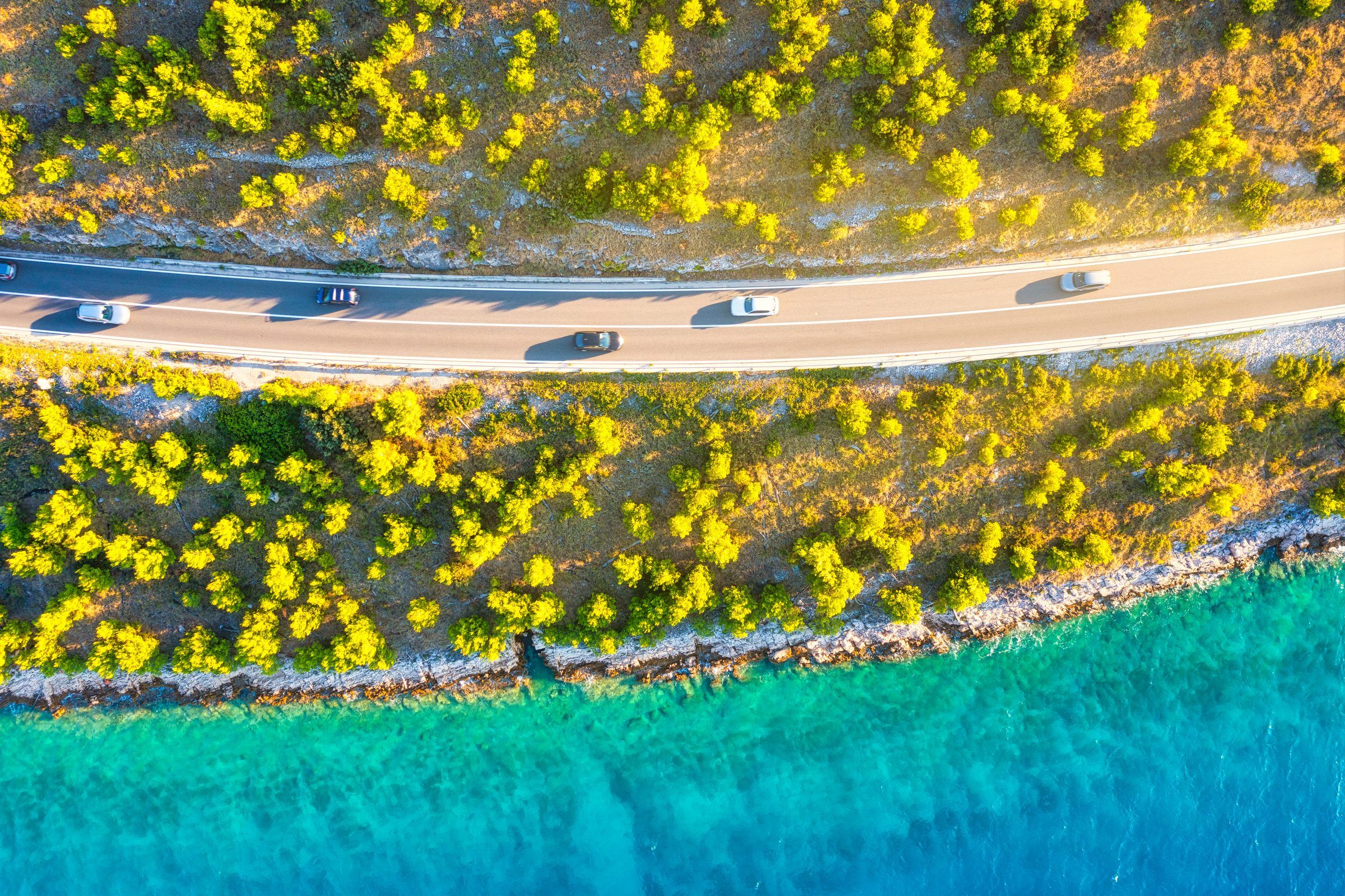
Driving in Croatia: Tolls, Rules and Road Trip Tips
Driving in Croatia: motorway tolls, daytime headlights, the Pelješac Bridge, car ferries to the islands and road trip tips for the coast.
November 18, 2026 • 3 min read
Driving in Croatia: Tolls, Rules and Road Trip Tips
Driving in Croatia at a glance
Tolls
Croatia charges motorway tolls per kilometer at toll gates, with a summer surcharge from June to September. An electronic toll unit gives a discount for frequent drivers, and a barrier-free system is expected in 2027, according to a 2026 road trip guide.
Rules to know
- Headlights: on day and night from November to April.
- Landmine warnings: in parts of Northern Dalmatia and Lika, stay away from areas marked with a skull and crossbones.
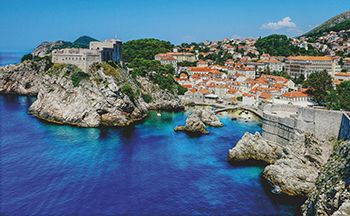
- Parking: the historic centers of Split and Dubrovnik are best explored on foot, so park outside and walk in.
The Pelješac Bridge
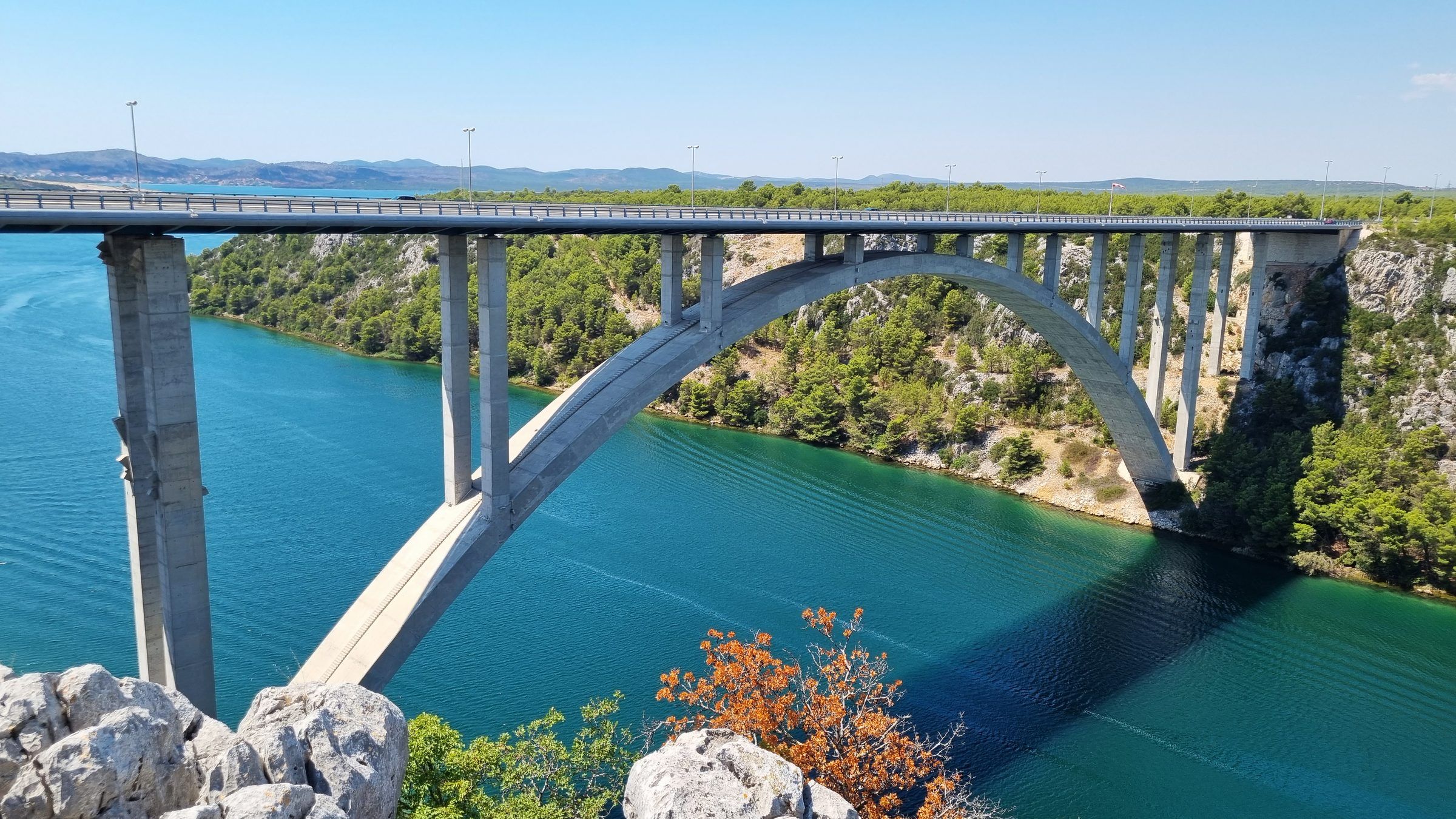
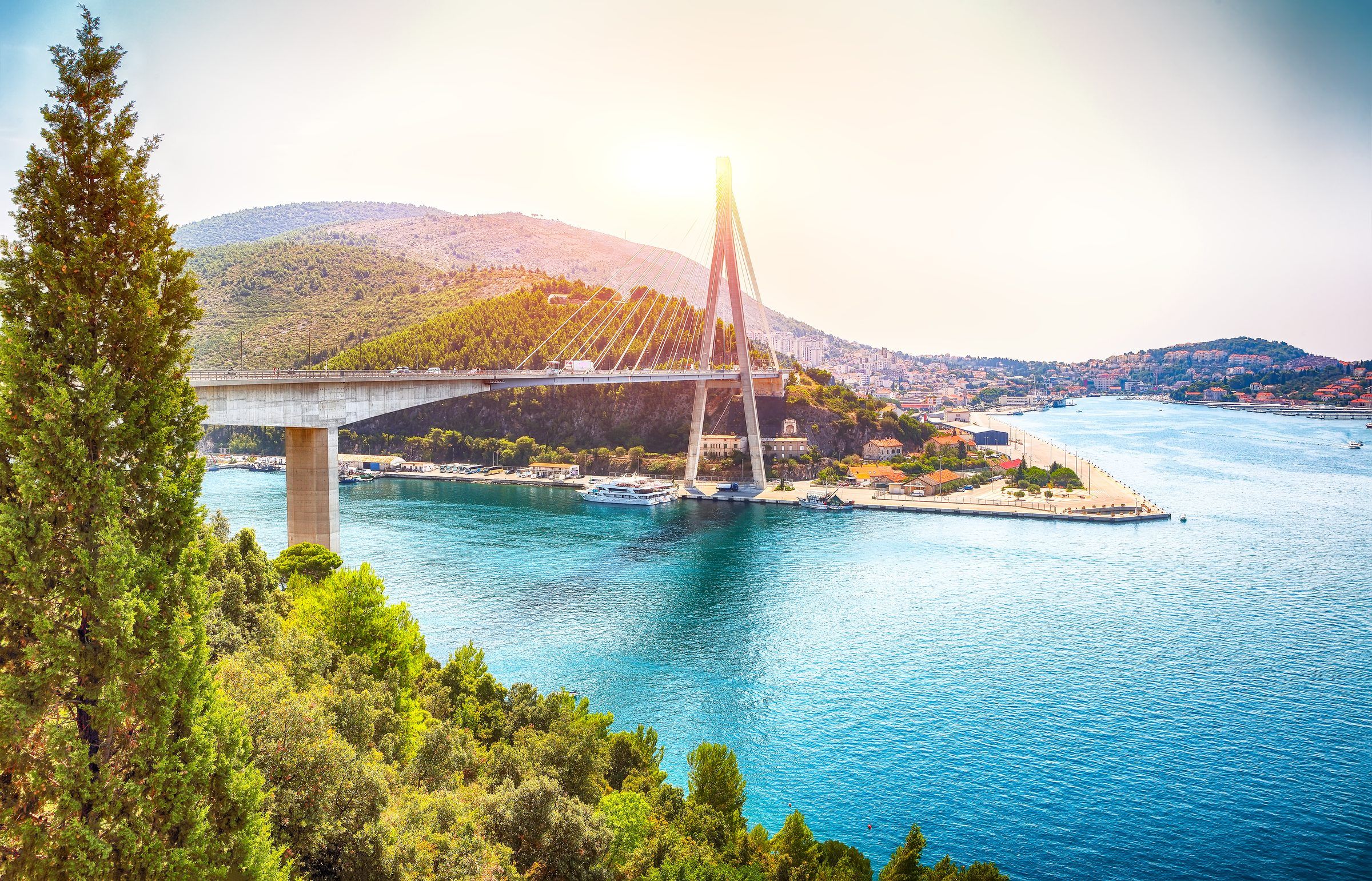
Opened on July 26, 2022, the 2,404 m bridge links the Dubrovnik area with the rest of Croatia. It keeps the route within Croatia and avoids the border checks at Neum, in Bosnia and Herzegovina.
Taking a car to the islands
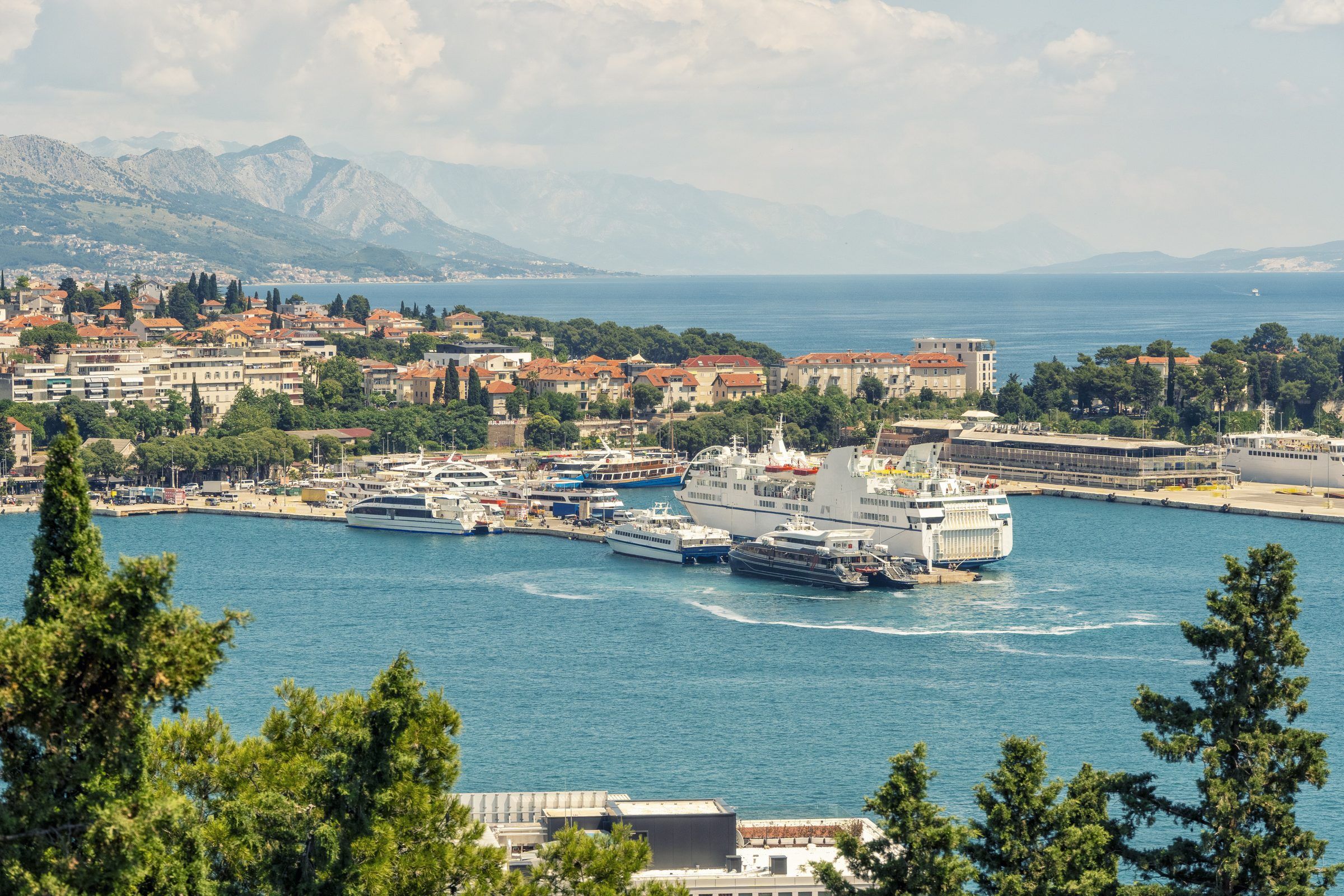
Only Jadrolinija car ferries carry vehicles. Split to Supetar on Brač takes about 50 minutes and Split to Stari Grad on Hvar about two hours. In high season, book online and arrive at least an hour early.
Road trip tips
- Travel midweek: avoid Saturdays in July and August, when toll queues near Zagreb are longest.
- Start early: reach Plitvice when it opens in summer.
- Plan for summer heat: carry water and avoid driving in the hottest hours.
Who driving suits, and who it doesn't
Suits: travelers who want Plitvice, Krka and smaller coastal towns at their own pace.
Less suited to: travelers staying only in Split and Dubrovnik, who can rely on walking, buses and ferries.