
Paris in 4 to 5 Days: An Itinerary for First-Timers
Paris in 4 to 5 days: a day-by-day itinerary for first-timers, with the Louvre, Eiffel Tower, Montmartre, Versailles and booking tips.
November 27, 2026 • 6 min read
Paris in 4 to 5 Days: An Itinerary for First-Timers
The plan at a glance
Day trip times from Lonely Planet.
Day 1: Notre-Dame, the islands and the Latin Quarter
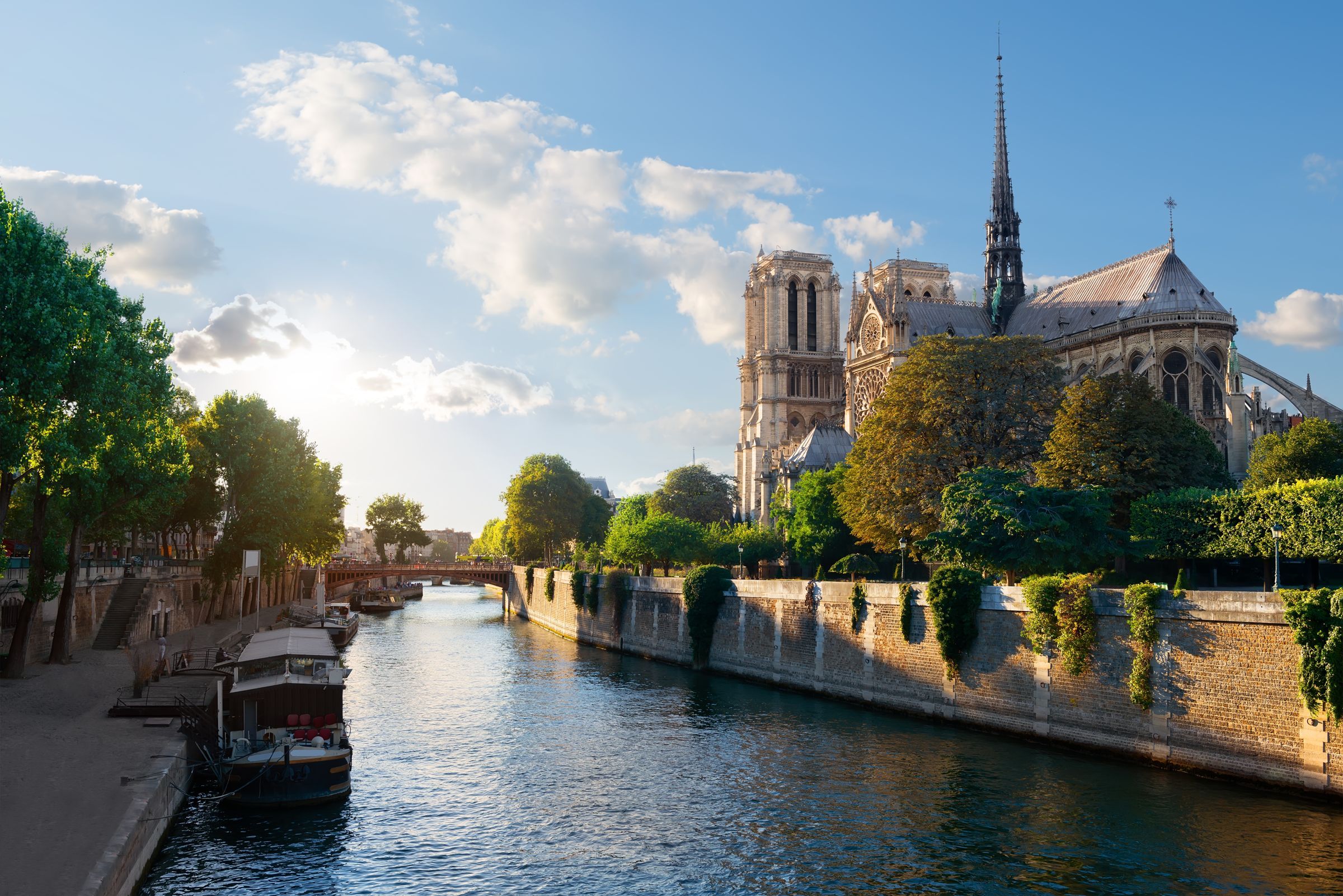
Start at Notre-Dame, which Lonely Planet describes as a free highlight that now draws long queues. If the line is too long, its Paris author suggests a picnic on the riverbank west of the Port de Montebello for a view of the cathedral instead, with supplies from Marché Maubert, which opens on Tuesday, Thursday and Saturday mornings.
Spend the afternoon in the Latin Quarter, one of the oldest districts in Paris, according to Lonely Planet. Look for the Roman Arènes de Lutèce, the baths in the Cluny Museum and La Sorbonne, founded in 1253. Lonely Planet recommends coming back at sundown, when the crowds thin and the buildings are lit, and ending at the Panthéon, where Victor Hugo and Simone Veil are buried.
Day 2: the Louvre and the Marais
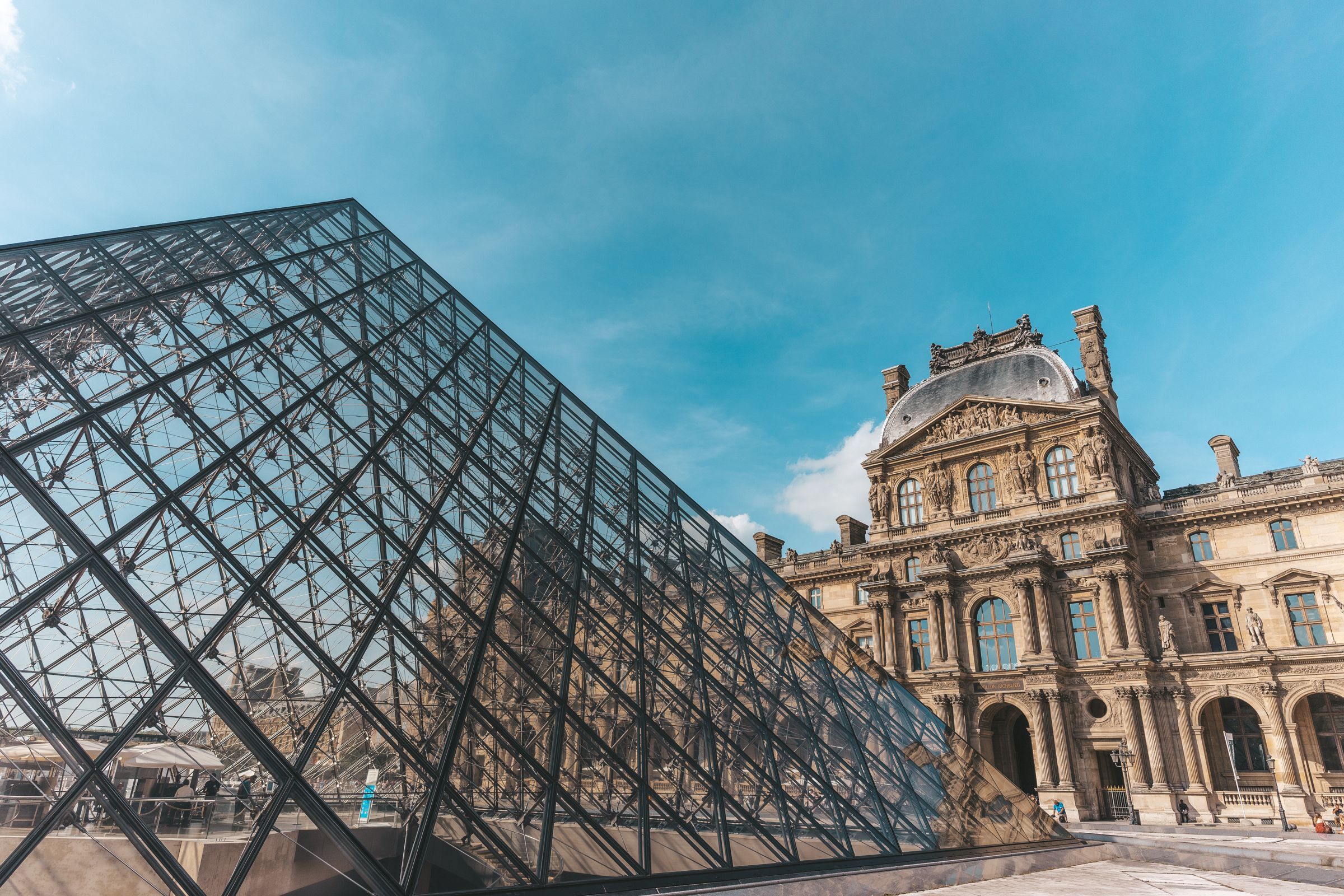
The Louvre is the largest museum in the world, Lonely Planet says, with 403 rooms and around 33,000 works on display. It is closed on Tuesdays and stays open until 9pm on Wednesdays and Fridays. Lonely Planet advises booking on the museum's official website, as scam sites are common, and notes that the exterior and courtyards can be walked for free.
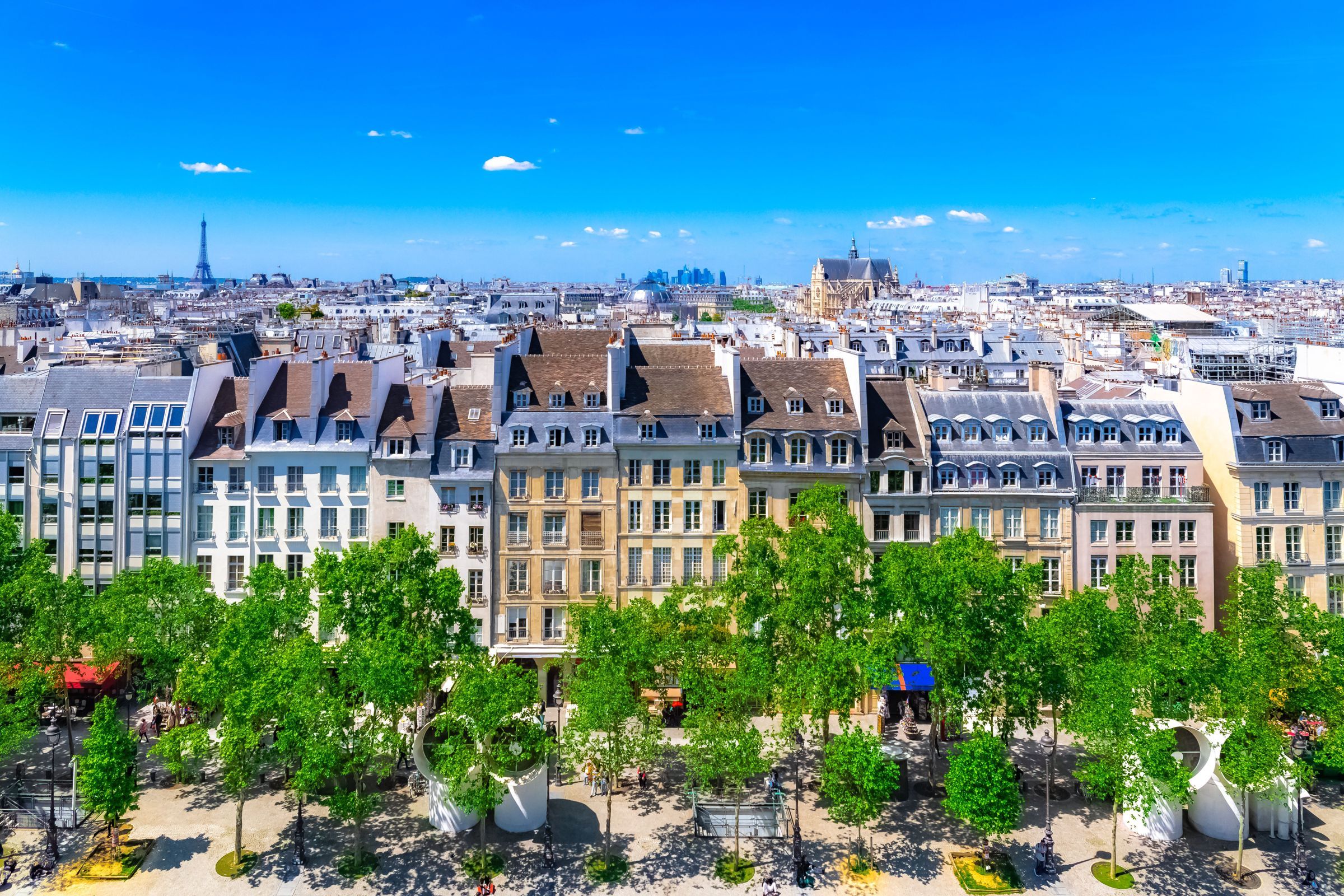
After the museum, walk east to the Marais. Lonely Planet's author lists it alongside Belleville as a good area for gallery hopping, where emerging artists show their work and there are rarely queues.
Day 3: the Eiffel Tower and the Seine
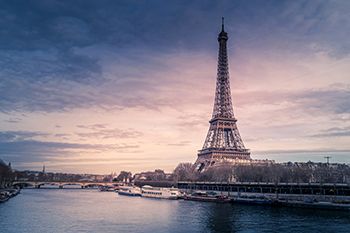
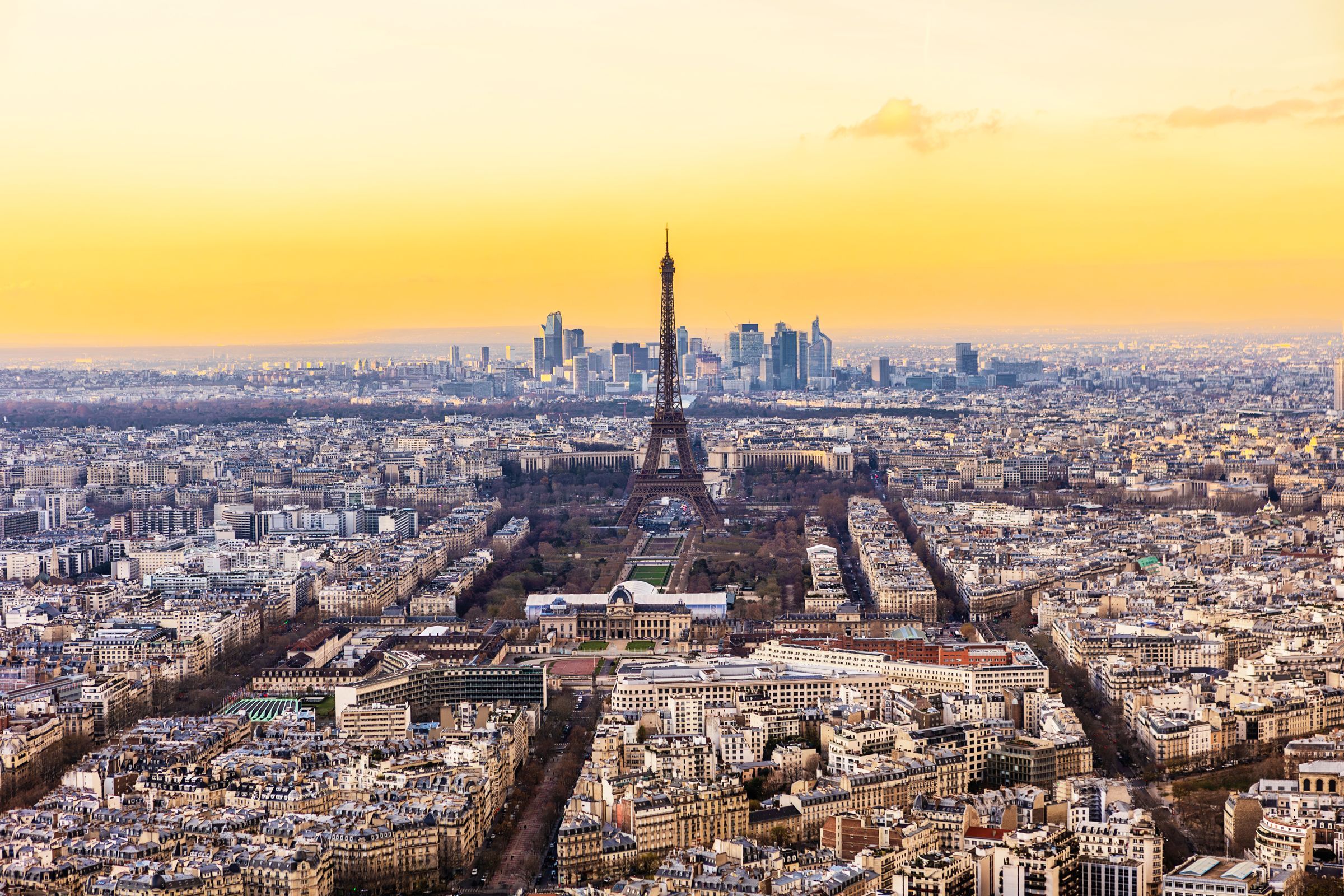
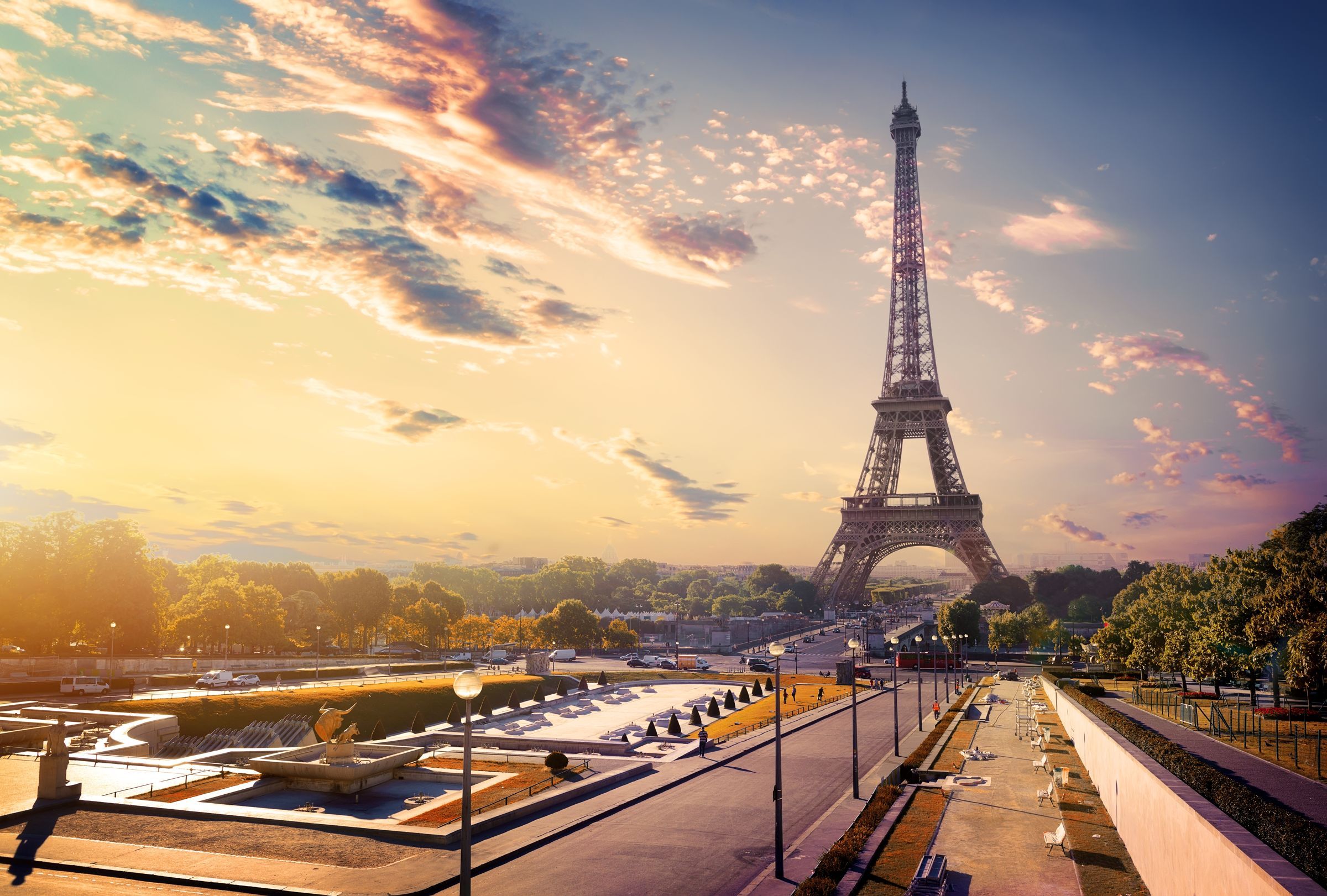
For the classic full view of the tower, Lonely Planet names the Trocadéro as the top spot. For a passing glimpse, ride Metro line 6 between Passy and Bir-Hakeim, and for a 360-degree panorama after dark, head to the rooftop deck of the Montparnasse Tower.
Use the afternoon to walk along the Seine or take a boat. If you plan a dinner cruise, Lonely Planet recommends booking as far ahead as possible and arriving early, as the boats do not wait and the quays can be hard to find.
Day 4: Montmartre and the Opéra
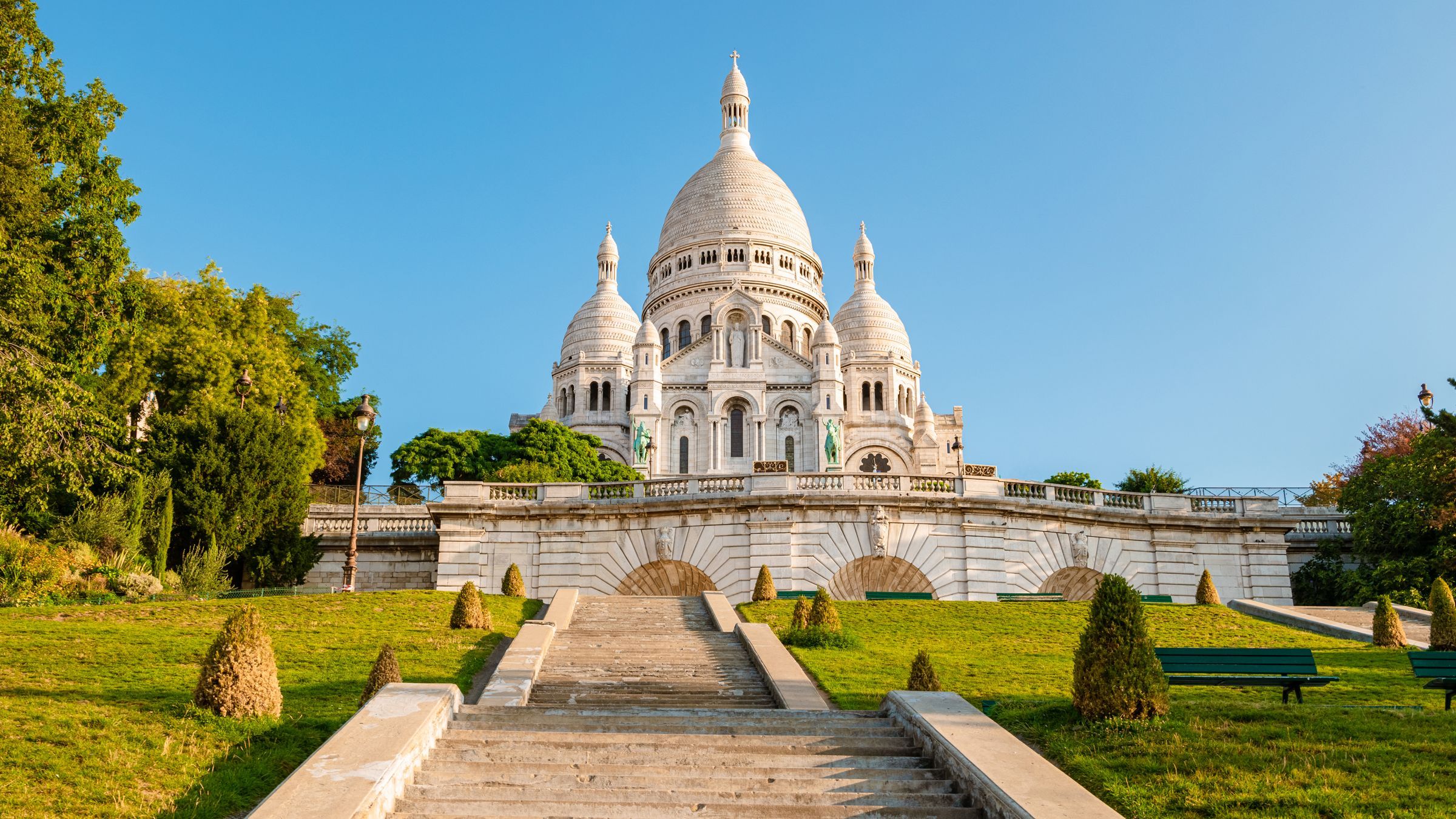
Montmartre sits on the highest hill in Paris, crowned by the Sacré-Coeur Basilica, which opened in 1910, according to Lonely Planet. Its narrow lanes keep a village atmosphere, and the Clos Montmartre vineyard holds a harvest festival every October.
In the afternoon, tour the Palais Garnier, the opera house built in 1875 with a ceiling painted by Marc Chagall. Lonely Planet notes that tickets cannot be bought at the venue, so book online first. If you prefer somewhere quieter, Père-Lachaise cemetery holds the graves of Oscar Wilde, Edith Piaf, Chopin and Jim Morrison; it closes at 6pm for most of the year and at 5:30pm in winter.
Day 5: Versailles or Giverny
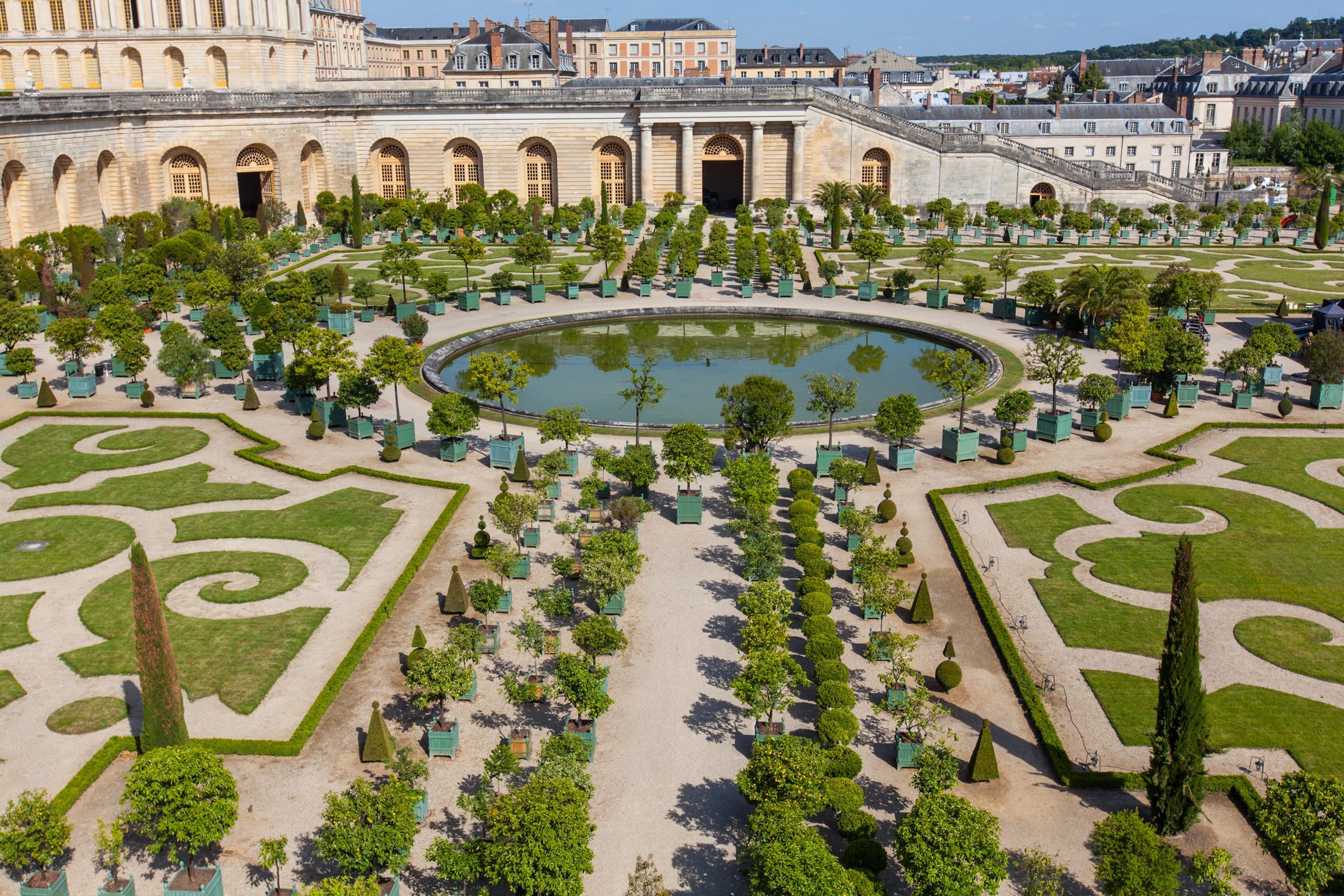
Versailles is about 40 minutes away on the RER C to Versailles-Château-Rive Gauche, according to Lonely Planet, which advises avoiding weekends and school holidays, when crowds are heaviest. Inside, the Hall of Mirrors runs 75m with 17 large mirrors, and the gardens have fountains set to music in summer.
Giverny takes about 1 hour 30 minutes by train. Claude Monet lived there from 1883 until his death in 1926, and his house and gardens, including the Japanese bridge and water lily pond, are open to visitors, Lonely Planet says.
Getting around and staying safe
Lonely Planet's local author says Paris is overall a safe city, but pickpocketing is a risk on the Metro and near major sights. Distraction tricks include petitions, a ring "found" on the ground and strangers tying a bracelet to your wrist; politely decline and walk away.
On the Metro, keep to the right in corridors and on escalators, and expect the busiest trains from 7am to 9am and 5pm to 7pm. The Metro stops between midnight and 5am on weekdays and from 1:30am on weekends, so plan a taxi or ride-hailing app for late returns.
When to go
Lonely Planet suggests April and May or September and October, when crowds are thinner and the weather is mild. August is the traditional French holiday month, so some places close, while winter brings quieter sights.
Who this itinerary suits, and who it doesn't
Suits: first-time visitors who want the main landmarks at a steady pace, and travelers who like to walk and use the Metro.
Less suited to: anyone who dislikes cities and crowds, and travelers who would rather spend most of their time in the French countryside or on the coast.