
Driving in Switzerland: Vignette, Rules and Passes
Driving in Switzerland: motorway vignette, speed limits, headlights, right-of-way rules, winter tires and mountain passes.
November 25, 2026 • 4 min read
Driving in Switzerland: Vignette, Rules and Passes
Driving in Switzerland at a glance
Rules from the US State Department and ch.ch, the Swiss government portal.
The motorway vignette
Cars on Swiss motorways and expressways need a vignette, according to ch.ch. You can buy a sticker at filling stations, post offices and border customs posts, or an e-vignette linked to your license plate online at e-vignette.ch.
Each vignette covers a calendar year, with ch.ch noting that the 2026 sticker is valid from December 1, 2025, to January 31, 2027. Driving without one brings a fine plus the cost of the vignette. The State Department says rental cars usually come with one, but check with your rental agency.
Speed limits and fines
The State Department lists the limits as 120 km/h on motorways, 80 km/h outside built-up areas, 50 km/h in towns and typically 30 km/h in neighborhoods. Serious speeding can be referred to a public prosecutor, who often asks foreign visitors for a deposit.
The Swiss government's ch.ch portal adds that heavy speeding can lead to a driving ban as well as a fine.
Rules that differ from the US
Several rules catch American drivers out. The State Department says headlights must be on at all times, turning right on red is illegal, and cars entering an intersection from the right usually have priority, even from a small side street. Pedestrians, cyclists, buses and trams generally have right of way.
The blood alcohol limit is 0.05%, and phone use while driving is illegal. Roundabouts are very common. You can drive with a valid US license for up to one year after arrival, the State Department says.
Winter driving and mountain passes
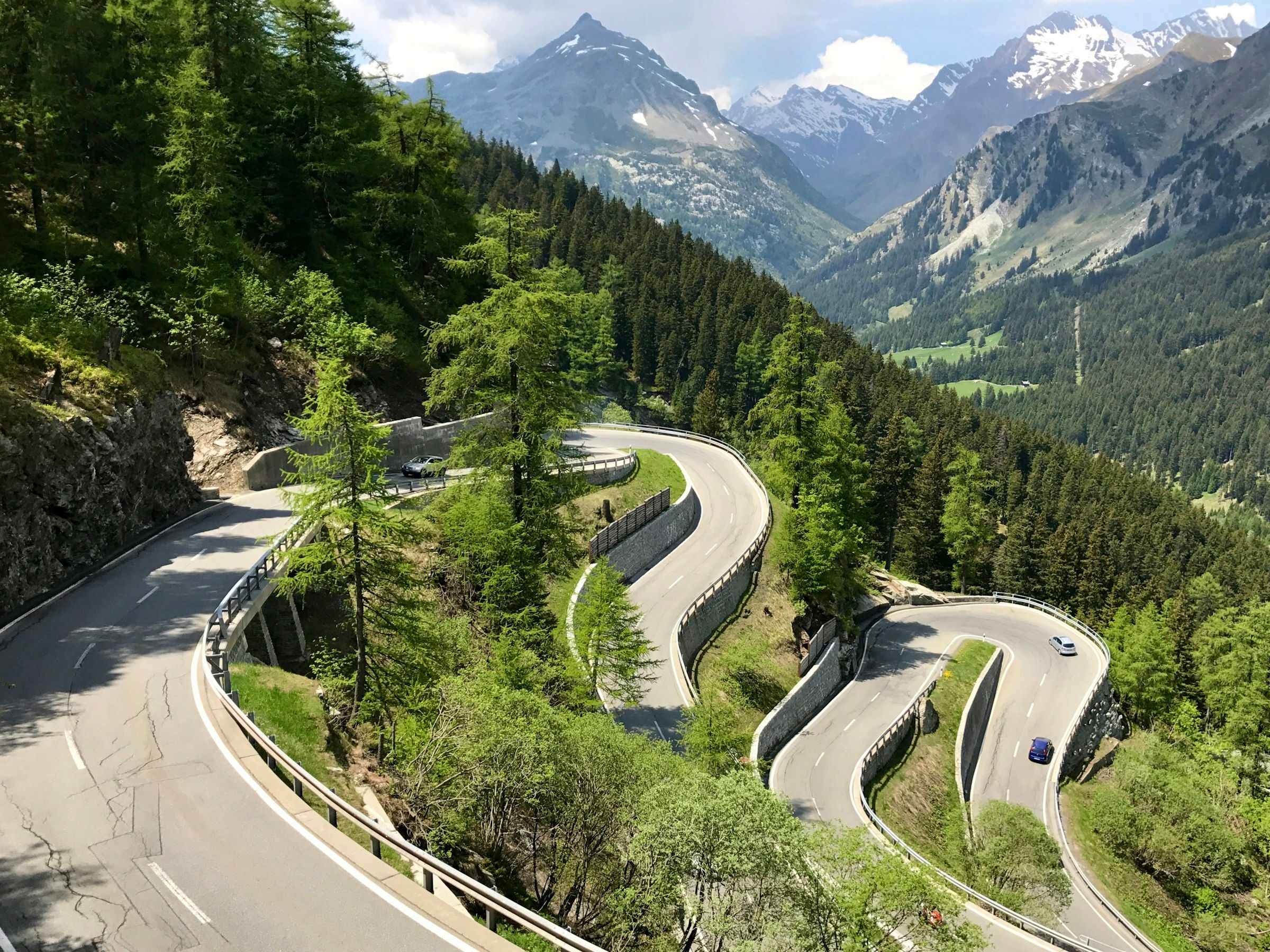
In alpine areas, the State Department warns that snow, ice and avalanches can make roads dangerous and that some mountain roads close for extended periods. Snow chains are required in some mountain areas in winter.
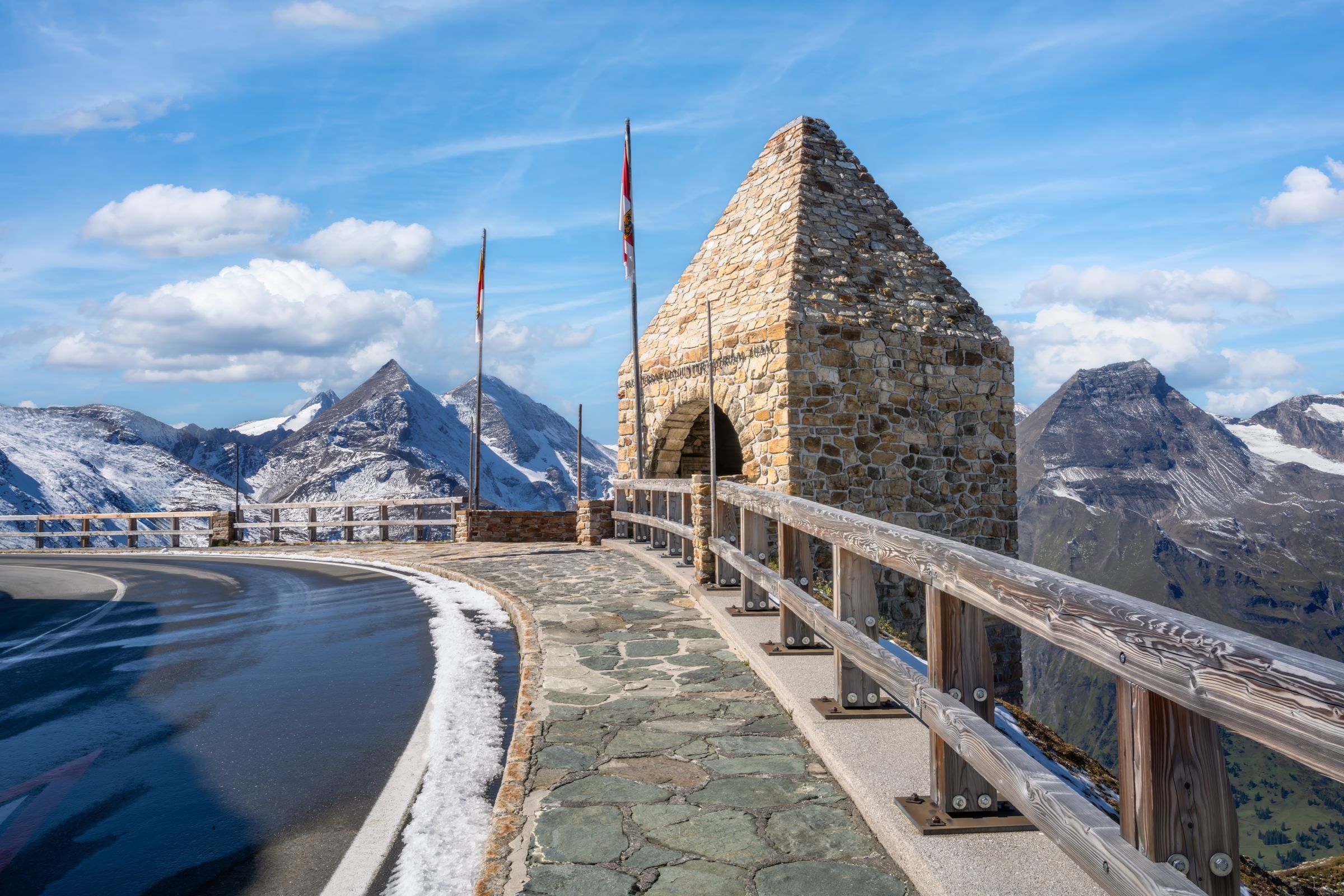
The Swiss government recommends fitting snow tires from October until Easter, and warns that drivers can be held liable after an accident if the car was not properly equipped for winter. Ask your rental company for winter tires on any cold-season trip.
When to choose the train instead
Zermatt is closed to combustion-engine cars, according to Wikipedia, and most visitors arrive by shuttle train from Täsch. The State Department describes Swiss public transport as widespread, punctual and safe, so a car adds little in Zurich, Lucerne or Geneva.
Who a Swiss road trip suits, and who it doesn't
Suits: travelers who want to reach small villages, lakeside viewpoints and mountain passes at their own pace.
Less suited to: travelers focused on big cities and car-free resorts such as Zermatt, and anyone uneasy with winter mountain roads.