Switzerland Travel Tips: 14 Things to Know Before You Go
Switzerland travel tips: passport rules, Swiss francs, tipping, trains, languages, tap water and mountain safety, in 14 points.
November 25, 2026 • 5 min read
Switzerland Travel Tips: 14 Things to Know Before You Go
Switzerland at a glance
Facts from the US State Department and Lonely Planet.
Entry and money
1. Check your passport date first
The US State Department says Switzerland strictly enforces a minimum passport validity of 6 months from the date of entry. You can stay up to 90 days in the Schengen area for tourism without a visa, and you may be asked for proof of funds and a return ticket.
2. Pay in francs, mostly by card
Switzerland uses the Swiss franc, not the euro. The State Department says major credit cards are widely accepted, though some vendors only take chip-and-PIN cards, and ATMs accept US debit cards.
3. Tip if the service earns it
There is no big tipping culture in Switzerland, according to Lonely Planet. Leaving 10% after a meal you enjoyed is appreciated but not obligatory, and nobody expects a tip for drinks at a bar.
4. Budget realistically
Lonely Planet's Switzerland writer is blunt that some costs are unavoidable here, especially food, hotels and transportation. Passes, picnics and refillable water bottles help, but plan for a pricey destination.
Getting around
5. Let the trains do the work
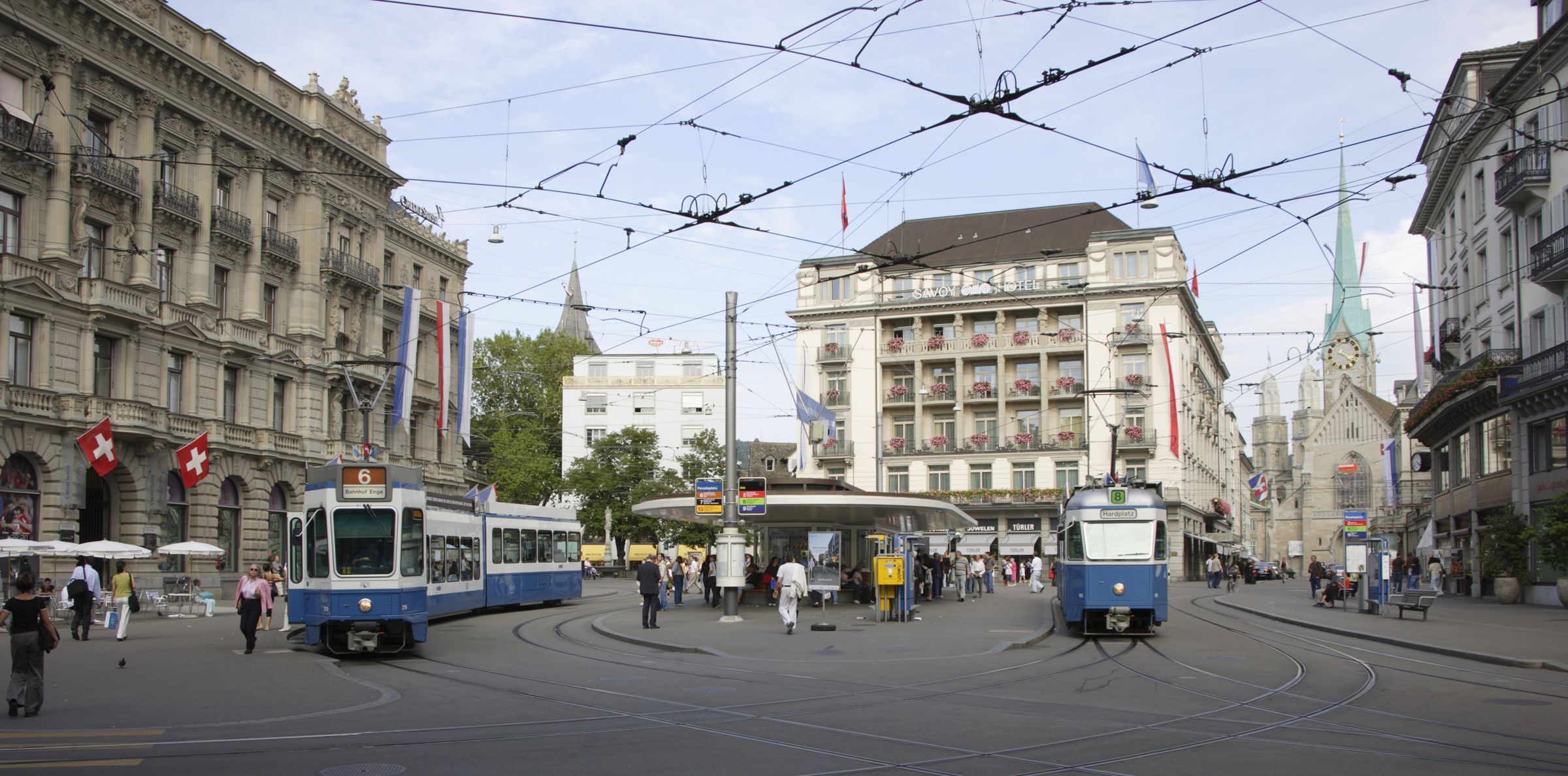
Lonely Planet says the easiest way to buy train tickets is the SBB app from Swiss Federal Railways. Tickets bought on the day cost the same all day, while Supersaver tickets booked ahead can be cheaper.
6. Buy your ticket before you board
The State Department notes that train, bus and tram tickets must be bought and validated before boarding, and that tickets cannot be bought on board. The State Department warns that skipping this can result in a fine.
7. Compare a pass with single tickets
For a multi-day trip, a Swiss Travel Pass covers trains, buses, boats and city transport, according to SBB. Lonely Planet points out that multiday passes and day passes can save money compared with single fares.
8. Watch your bags from the airport
Switzerland is generally safe, but Lonely Planet warns that thieves sometimes target newly arrived tourists on airport trains. Sit near the luggage rack or keep bags on the shelf above you.
Etiquette and language
9. Learn which language region you are in
Switzerland has four official languages: German, French, Italian and Romansh. Lonely Planet advises against assuming everyone is multilingual, noting that many Swiss are more likely to speak English than another national language.
10. Say grüezi, and use local names
In Swiss German areas, grüezi means hello. Lonely Planet suggests using local place names, such as Lac Léman for Lake Geneva in French-speaking Lausanne, and says to describe regions as French-speaking rather than French.
11. Drink from the fountains
Lonely Planet calls bottled water unnecessary because Swiss tap water is excellent and fountains in towns and villages are drinkable unless signed otherwise. Restaurants are not legally obliged to serve free tap water outside the canton of Ticino, though.
12. Drink wine, not water, with fondue
Fondue comes with etiquette: no double dipping, and Lonely Planet says the classic pairing is a dry Swiss white such as Chasselas.
Mountain safety
13. Pack for every season in the Alps
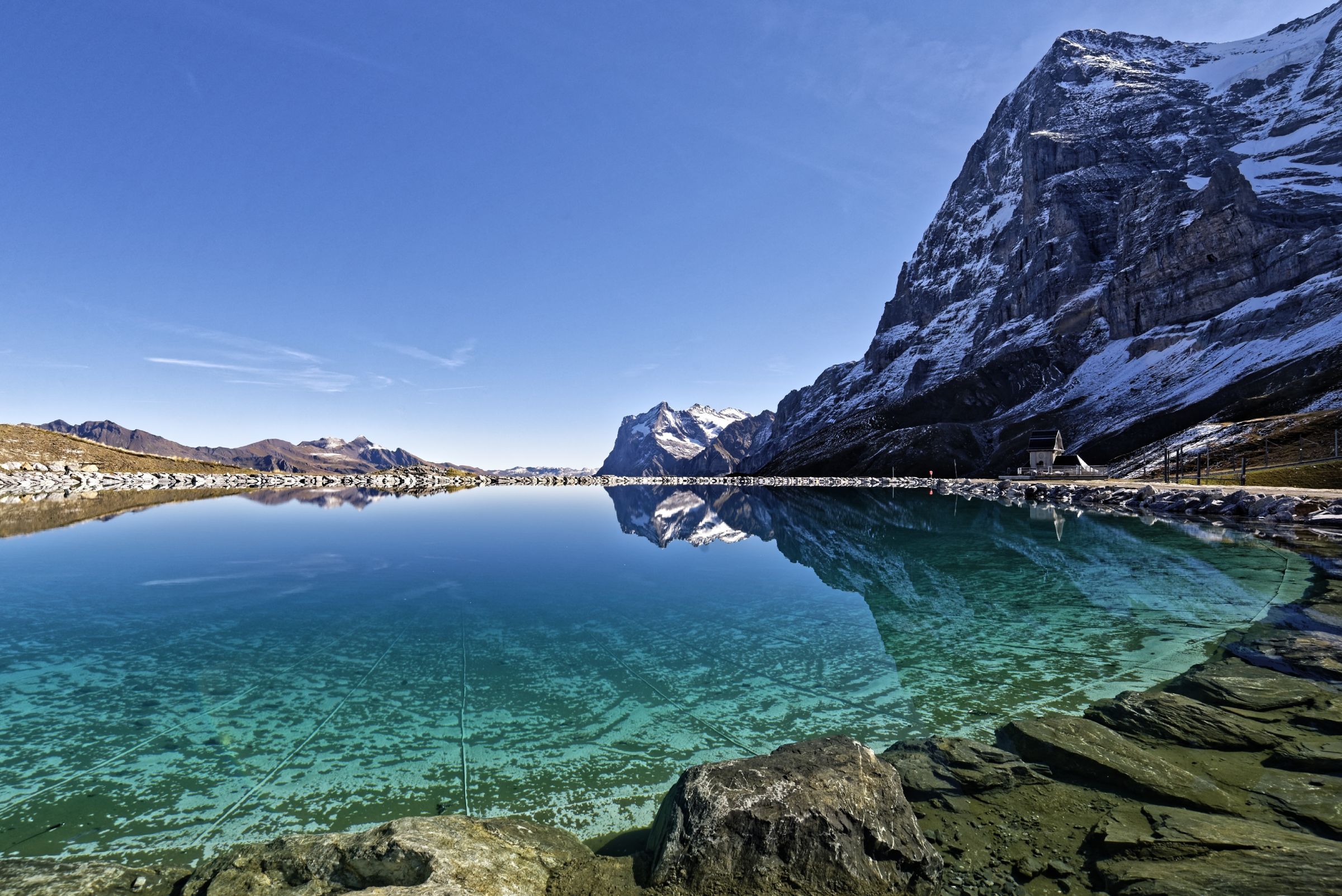
Lonely Planet warns that storms can arrive on summer days, temperatures drop sharply at altitude at night, and snow at altitude in August is not uncommon. Check the forecast from MeteoSwiss, the federal weather service, before heading up.
14. Respect the mountains
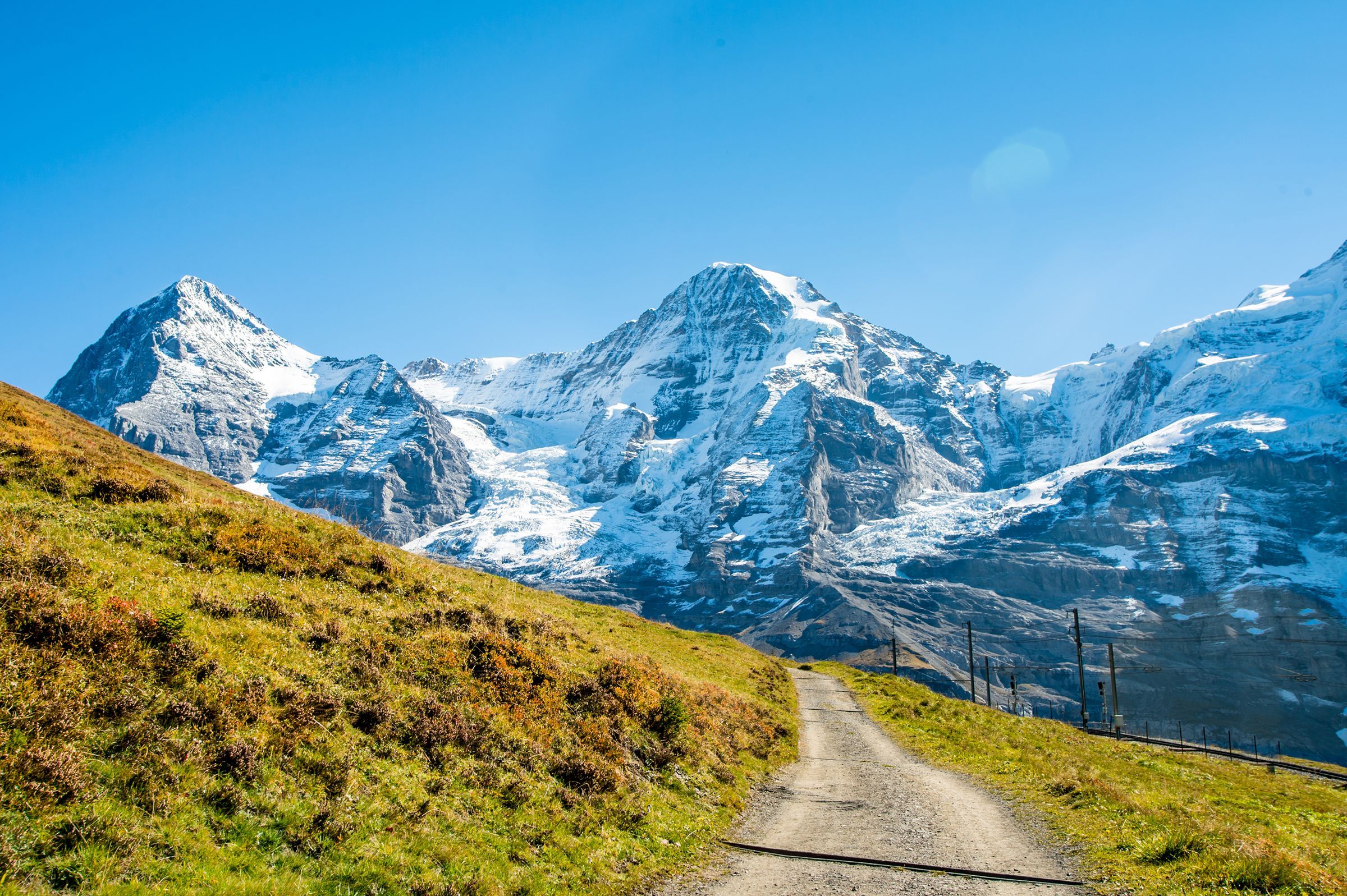
The State Department rates Switzerland at Level 1, exercise normal precautions, but warns that mountains can be dangerous because of avalanches, landslides and sudden weather changes. Lonely Planet suggests saving 1414, the number for Rega air rescue, and giving cows with calves a wide berth on hiking trails.
Who a first trip to Switzerland suits, and who it doesn't
Suits: travelers who love mountain scenery, lakes, scenic trains and efficient public transport.
Less suited to: travelers on a tight budget, since Lonely Planet says food, hotels and transport are unavoidably expensive, and anyone who wants guaranteed weather in the mountains.



