


Europe in Fall: Where to Go from September to November
Europe in fall: where to go from September to November for the wine harvest, warm southern weather and quiet cities.
November 27, 2026 • 3 min read
Europe in Fall: Where to Go from September to November
Fall at a glance
Based on Lonely Planet.
September: harvest and festivals
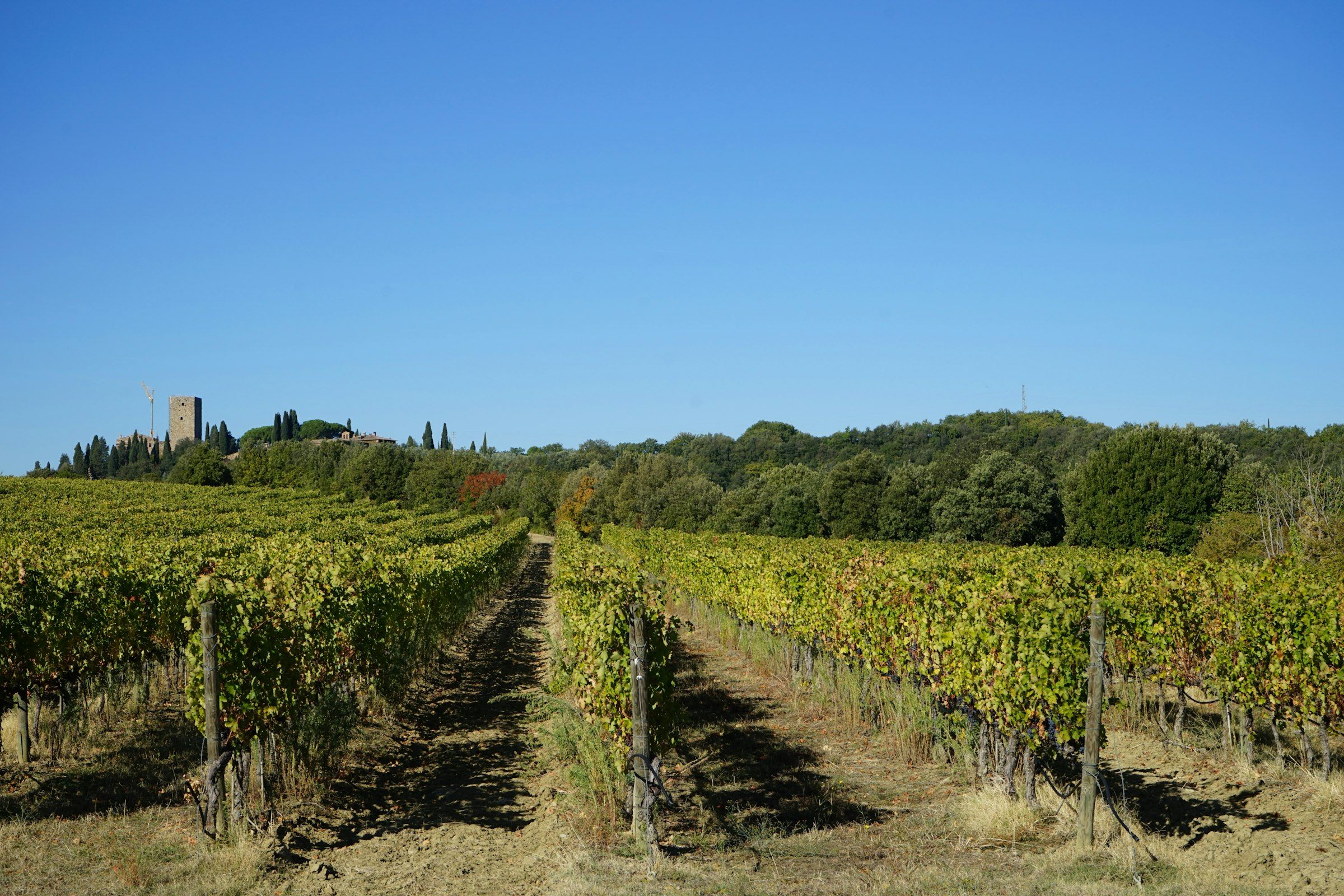
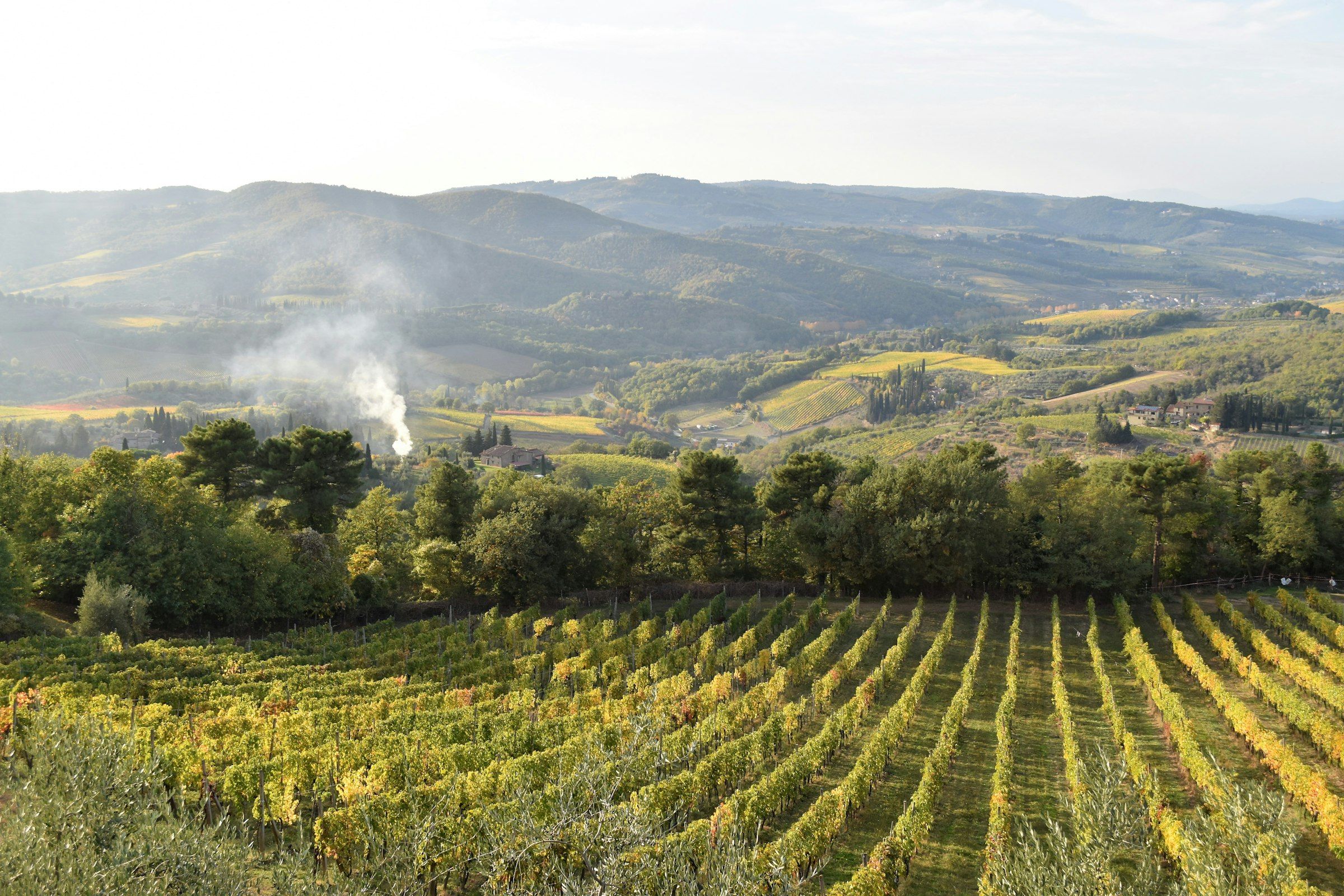
Lonely Planet calls September ideal for hiking, cycling and kayaking, and the month when the wine harvest begins in vineyards across Europe. It names the Loire Valley and Burgundy in France, the Douro in Portugal and Montepulciano in Tuscany as wine regions at their best.
September also brings the Venice International Film Festival at the start of the month and Oktoberfest in Munich at the end, Lonely Planet says.
October: follow the sun south
Lonely Planet notes that weather becomes less predictable in the north in October, but that Seville and the Canary Islands can still offer T-shirt weather. Wikipedia's climate data shows average October highs of 26.3°C (79°F) in Seville, 26.6°C (80°F) in Santa Cruz de Tenerife and 25°C (77°F) in Malta.
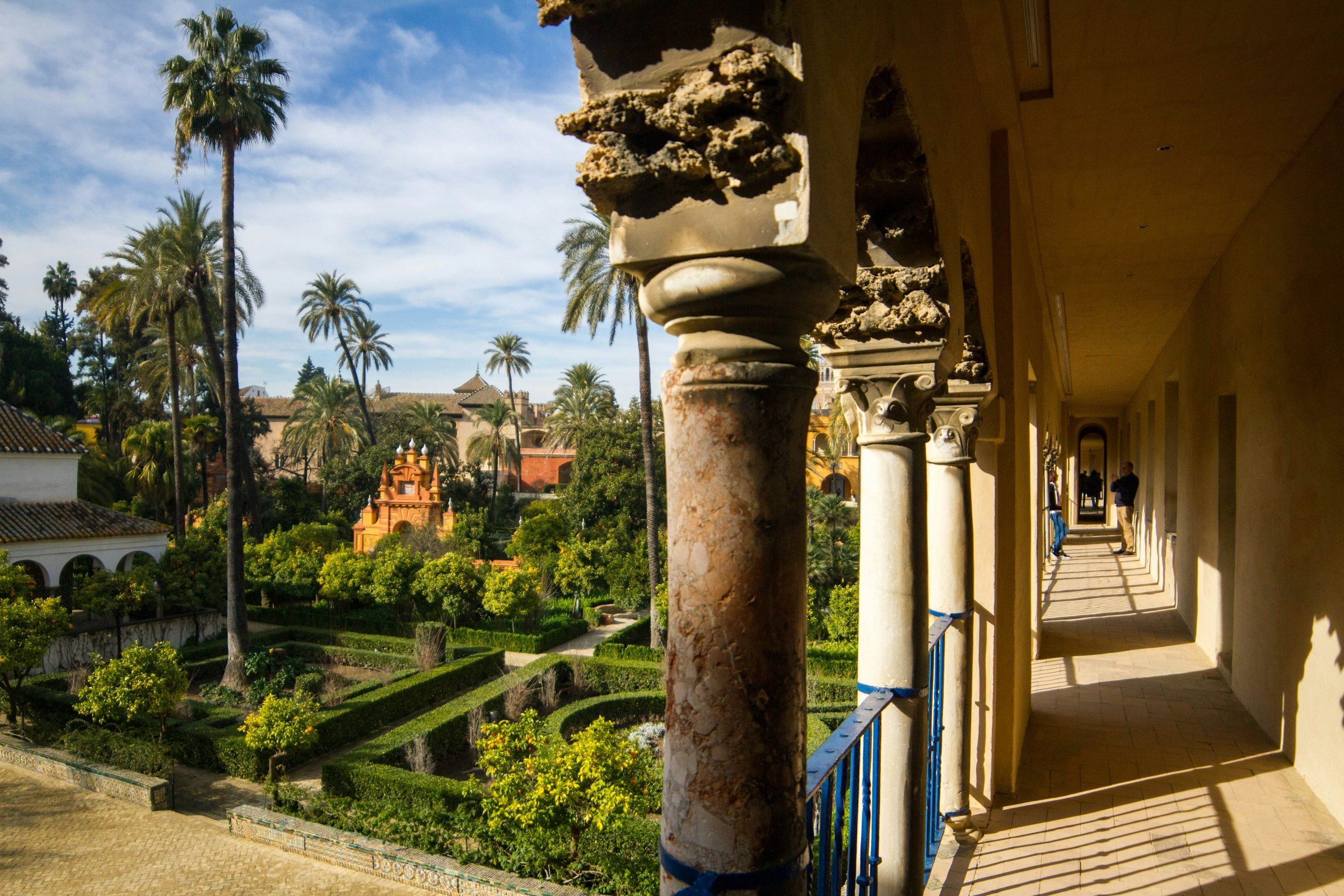
Fall foliage is another draw: Lonely Planet points to the Scottish Highlands, Lake Bled in Slovenia and Lombardy in Italy.
November: quiet cities
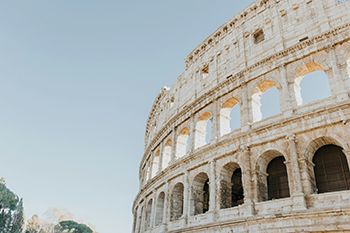
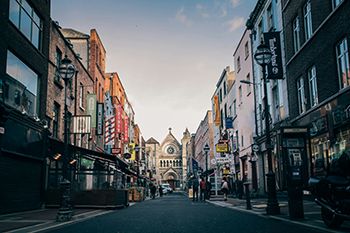
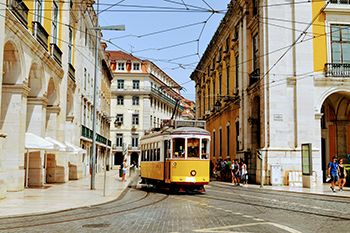
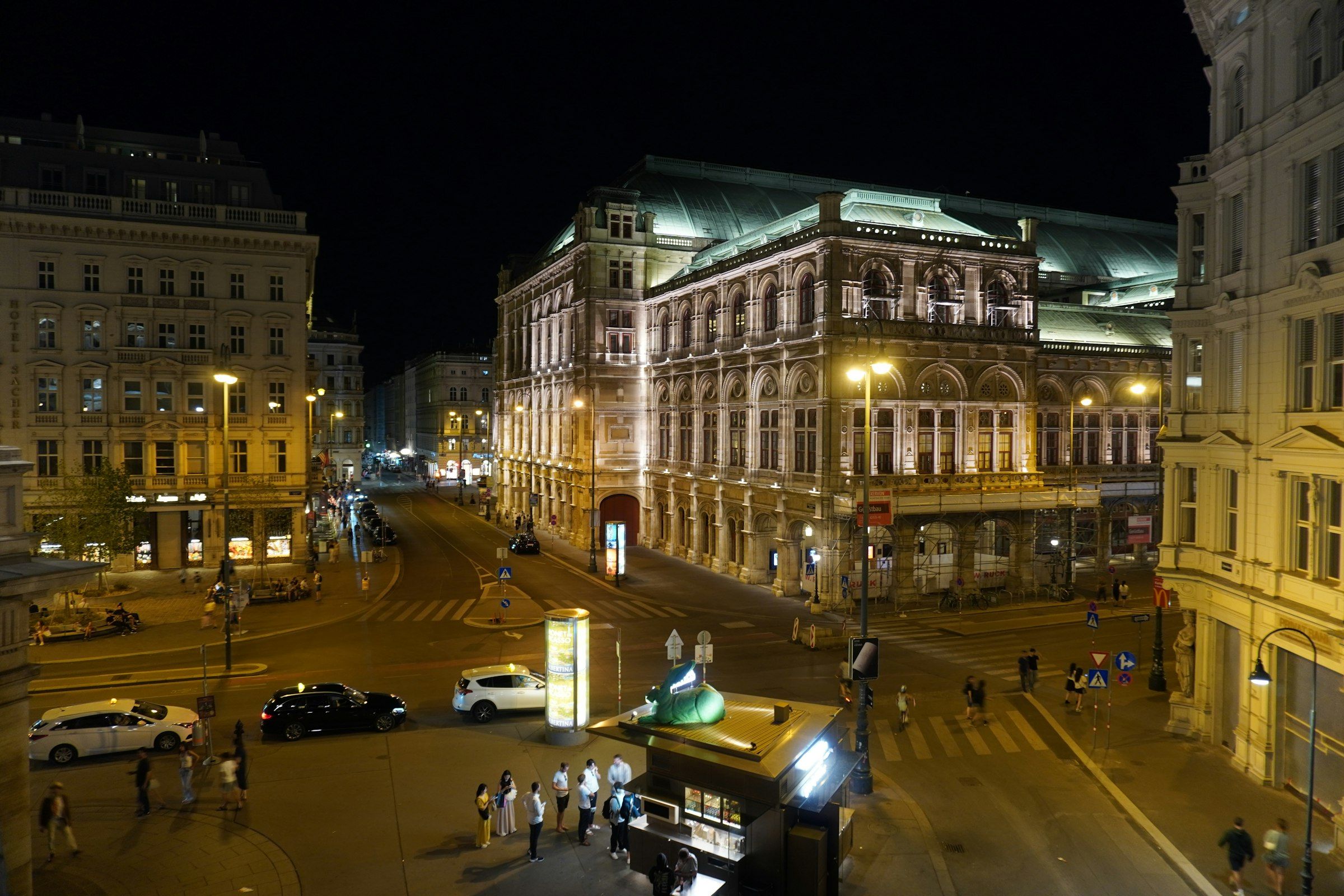
Lonely Planet calls November one of the quietest and least expensive times to visit, with average temperatures of 5°C to 15°C (41°F to 59°F). Mediterranean resorts close for the season, but it is a good month for major cities such as Paris and Rome, and for the cafe culture of Vienna, Amsterdam and Copenhagen.
What to pack
Layers for changing temperatures, a waterproof jacket and comfortable shoes. Days get shorter through the season, Lonely Planet notes, so plan outdoor sightseeing for the morning and early afternoon.
Who fall travel suits, and who it doesn't
Suits: wine lovers, walkers, city-break travelers and anyone who wants pleasant weather without summer crowds.
Less suited to: beach holidays in northern Europe, and travelers who need long daylight hours late in the season.