





Best Time to Visit Ireland: Weather and Crowds
Best time to visit Ireland: Dublin weather by month, rain and daylight, crowds by season, St. Patrick's Day and the best months for road trips.
November 17, 2026 • 4 min read
Best Time to Visit Ireland: Weather and Crowds
Dublin weather by month
Figures are long-term averages for Dublin from weather2travel. The west coast is wetter: Valentia Island in Kerry averages about 1,400 mm of rain a year, almost twice Dublin's 714 mm.
Spring: March to May
Spring brings longer days and green fields. March is cool and often wet, but it includes St. Patrick's Day on March 17, with Dublin's parade and a four-day festival, held from March 14 to 17 in 2026. By May, highs reach about 15°C (59°F) and you get around six hours of sun a day.
Best for: road trips with fewer crowds, gardens and St. Patrick's Day.
Keep in mind: Dublin hotels fill up and prices rise around March 17.
Summer: June to August
Summer is the warmest and busiest season, with highs of 18 to 19°C (64 to 66°F) in Dublin and the longest days of the year. Attractions keep their longest hours: the Cliffs of Moher visitor center stays open until 21:00 from May to August. July brings the Galway International Arts Festival, held from July 13 to 26 in 2026.
Best for: long driving days, island trips and festivals.
Keep in mind: book hotels, rental cars and timed tickets early, especially for July and August.
Autumn: September to November
September is often the sweet spot, with highs around 17°C (63°F), sea temperatures still near their peak and fewer tour buses. October turns cooler and wetter, with autumn colors in the parks. By November, days are short and highs fall to about 10°C (50°F).
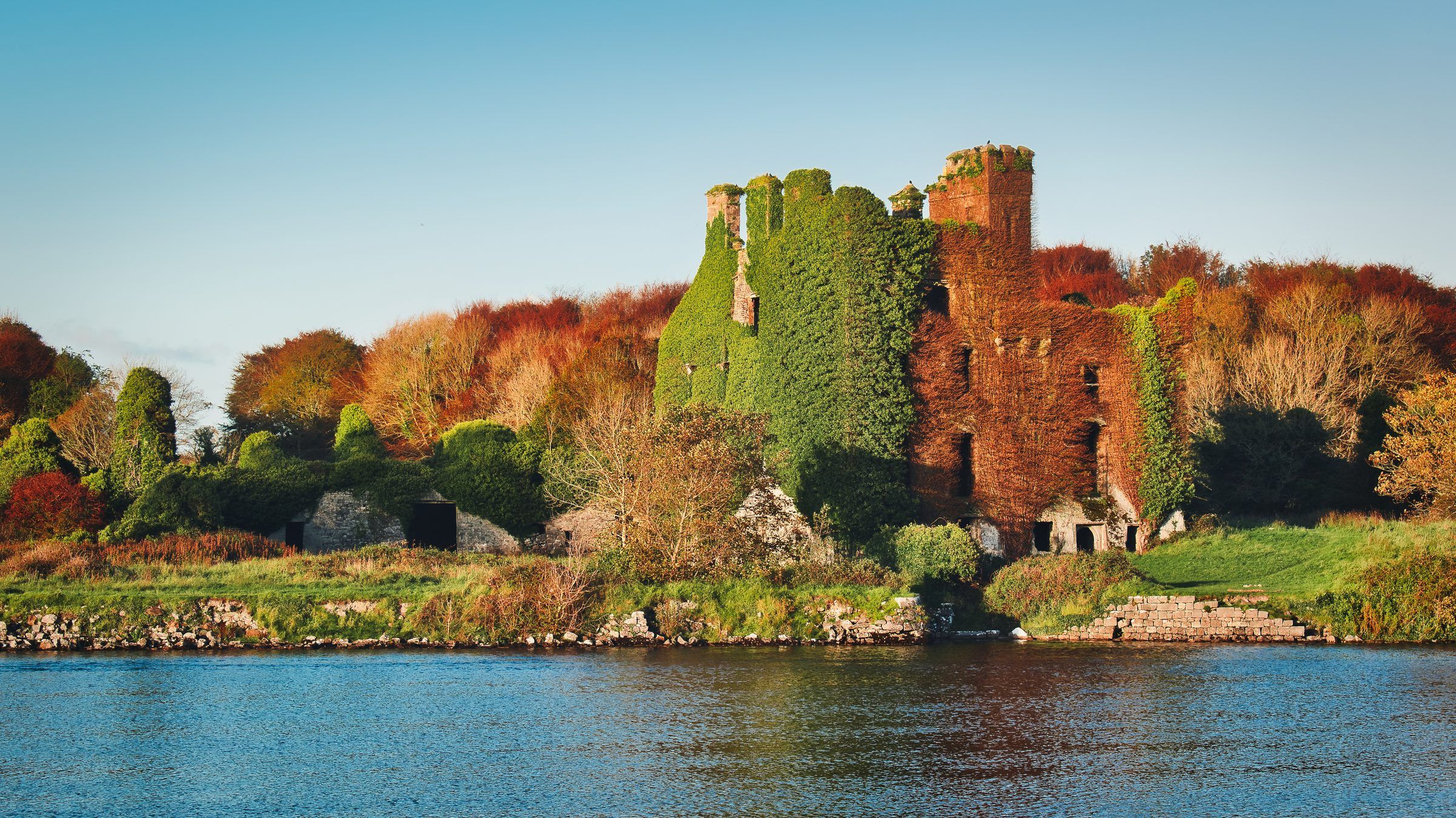
Best for: September road trips and quieter sightseeing.
Keep in mind: opening hours get shorter: the Cliffs of Moher visitor center closes at 19:00 in September and October, and at 17:00 from November.
Winter: December to February
Winter is the quietest season outside the holidays. Expect highs of 8 to 9°C (46 to 48°F), about two hours of sunshine a day and early sunsets. Dublin is lit up for Christmas in December, and city breaks work well, with museums, pubs and theaters to fill the evenings.
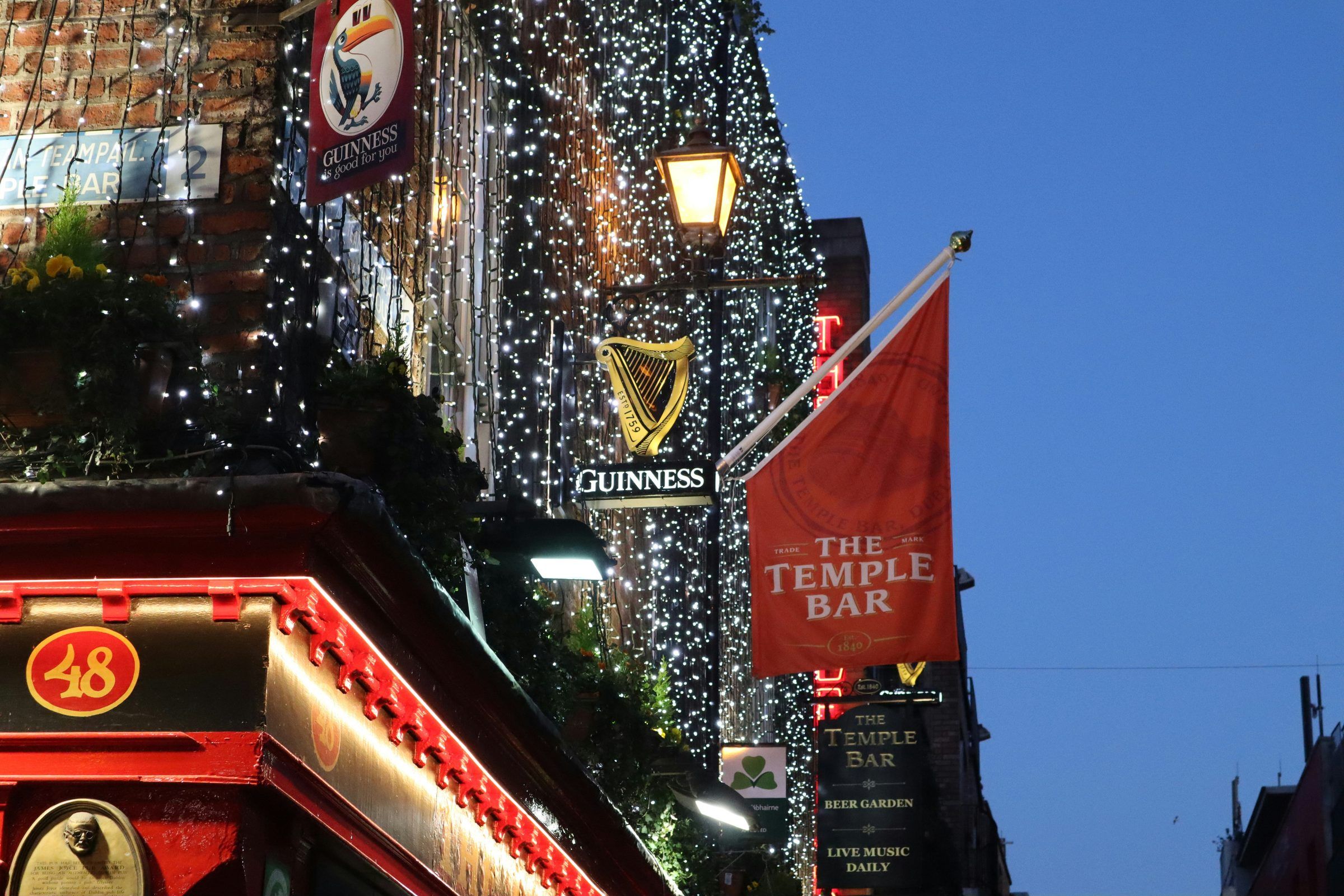
Best for: Dublin city breaks, Christmas and lower hotel rates outside the holidays.
Keep in mind: short days limit road trips, and the Cliffs of Moher visitor center closes at 17:00 from November to February.
Which month is best for you?
- Best overall: May, June and September.
- Warmest: July and August.
- Fewest crowds: November and January to February.
- Festivals: March for St. Patrick's Day, July for the Galway International Arts Festival, December for Christmas in Dublin.
Who each season suits
Suits: spring and autumn suit road trippers who want space; summer suits families tied to school holidays; winter suits city breaks.
Less suited to: travelers who want dry, warm weather. No month in Ireland guarantees it.