








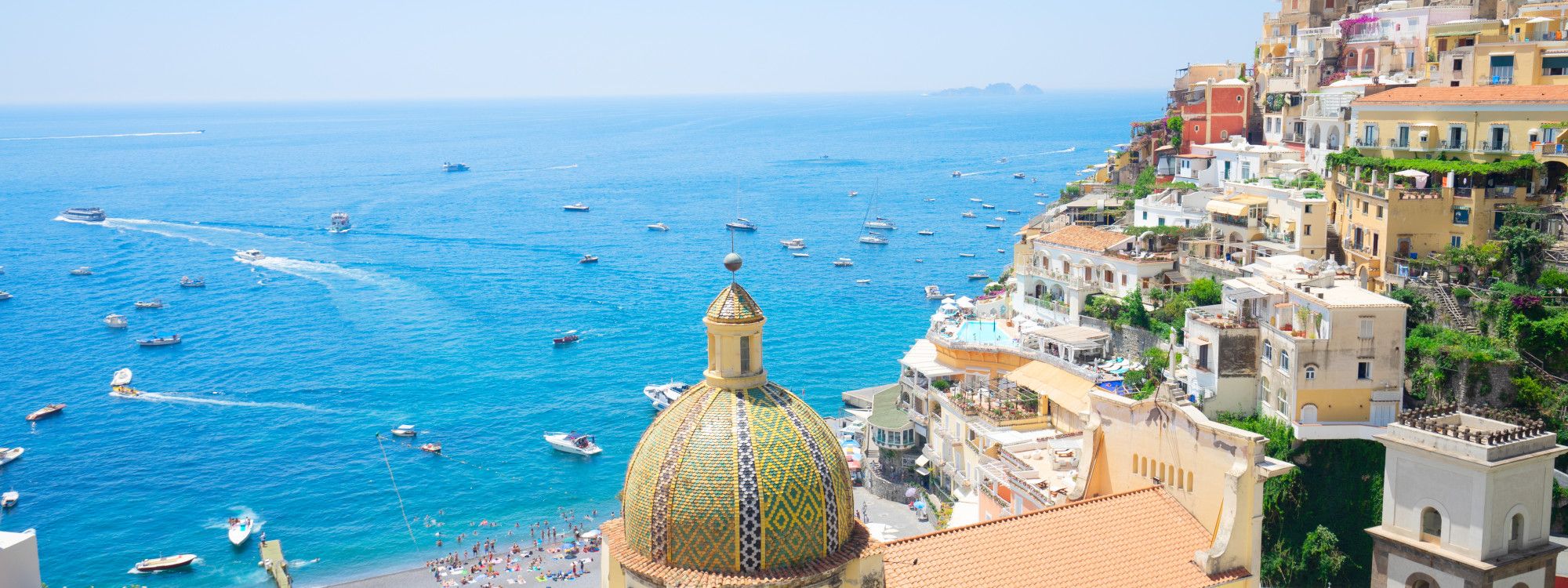
How Many Days Do You Need in Italy?
How many days in Italy is enough? Honest itineraries from 5 to 21 days, by region count, travel style and the realities of jet lag, transfers, and dinner times.
May 22, 2026 • 9 min read
How Many Days Do You Need in Italy?
The most common Italy planning question we get from US and Canadian travelers is some version of: how many days do I need to do Italy "right"? The honest answer is more about pace than days. You can have a wonderful Italy trip in 5 days if you commit to one city. You can have a terrible one in 14 days if you try to see 12 places.
This guide walks through what is realistically possible at each common Italy trip length, with sample itineraries, and what to skip at each duration.
The one paragraph answer
14 days is the sweet spot for most North American travelers visiting Italy for the first time. With 14 days you can cover the iconic three (Rome, Florence, Venice) plus one regional deep dive (Tuscany, the Amalfi Coast, the Dolomites, Sicily or Puglia) without rushing. With 7 days you should pick either the iconic three on a tight schedule or one city plus one region. With 21 days or more you can do a true cross country trip including the south and the islands.
The rule that matters more than days
The single rule that makes the biggest difference to whether your Italian trip is rewarding or exhausting is the three night minimum per base. Less than three nights and you spend more time packing, transferring and finding your hotel than actually being in the place. Experienced Italy travelers know this and refuse to break it.
The math is simple. A "night" in your hotel = a day on the ground. Two nights = one full day. Three nights = two full days. Four nights = three full days.
Once you accept the three night minimum, the number of bases per trip becomes the limit:
- 7 days = 2 bases (and one of them gets only 2 nights, which is the exception worth making for Venice)
- 10 days = 3 bases
- 14 days = 4 bases
- 21 days = 6 bases

5 days in Italy: pick one city
5 days, accounting for arrival and departure with jet lag, is one city. Period.
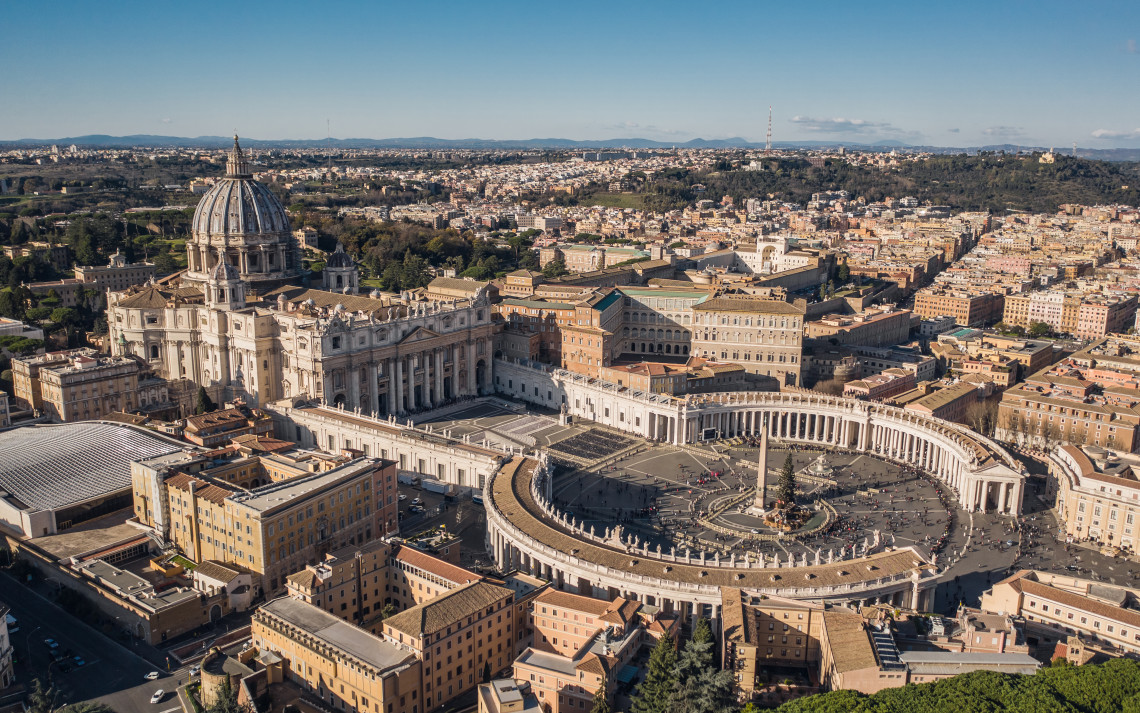
Best choice: Rome. The biggest historical density per square kilometer, the easiest international arrival, and the most rewarding for a first time visitor.
Sample itinerary:
- Day 1: Arrive Rome, slow afternoon, early dinner, jet lag bed
- Day 2: Ancient Rome (Colosseum, Roman Forum, Palatine Hill, Pantheon)
- Day 3: Vatican Museums, Sistine Chapel, St Peter's
- Day 4: Trastevere, Jewish Ghetto, Piazza Navona, dinner with a view of the Tiber
- Day 5: Late morning, espresso, fly home
Alternative 5 day options: Florence (with one day trip to Pisa or Siena), or Venice plus a day in Verona or Padua.
Mistake to avoid at 5 days: trying to do Rome and Florence in 5 days. You will spend a half day on the train and arrive too tired to enjoy either city properly.
7 days in Italy: the iconic triangle, tight
7 days is the minimum for the classic Rome, Florence, Venice triangle. It works, but it is firm.
Sample 7 day itinerary:
- Days 1 to 3: Rome (arrive day 1, 2 full days)
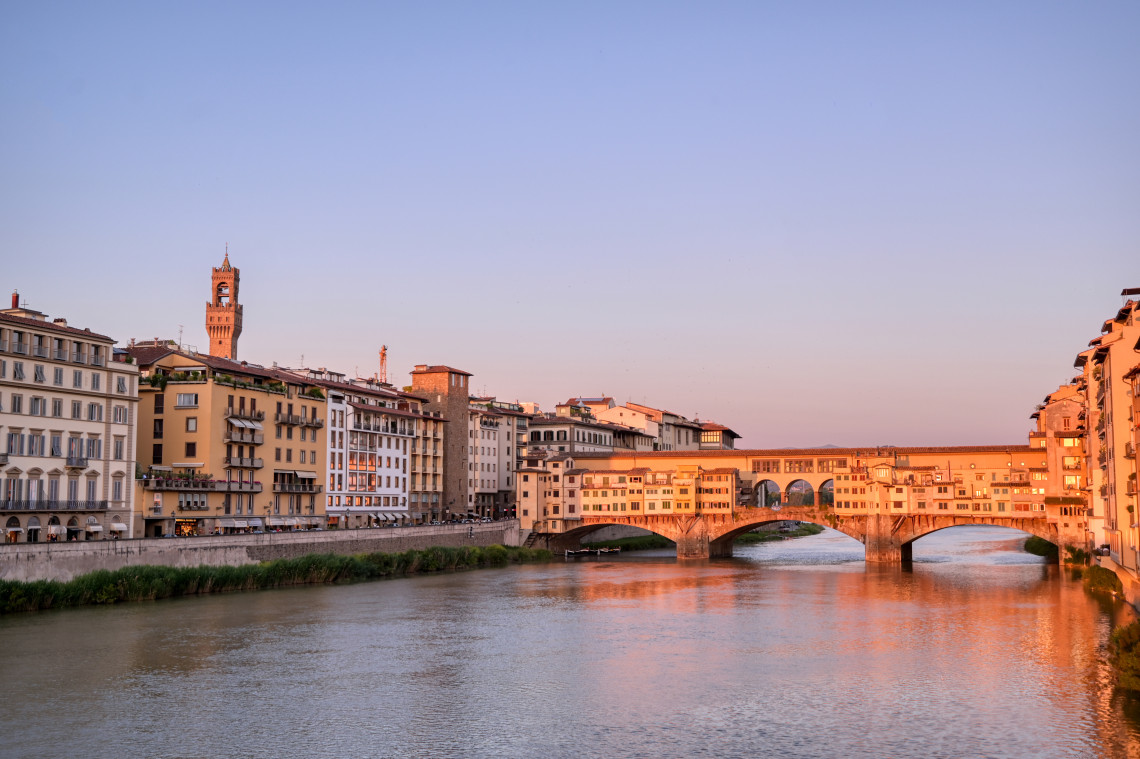
- Days 4 to 5: Florence (high speed train from Rome, 2 nights, 1.5 days)
- Days 6 to 7: Venice (high speed train from Florence, 2 nights, 1 full day plus departure day)
Each city gets exactly the minimum. You will feel like you are leaving Florence right as you start to know it. That is the cost of the 7 day triangle.
Alternative 7 day options: Rome (4 nights) + Amalfi Coast (3 nights). Or Tuscany road trip from a single agriturismo base (Florence, Siena, San Gimignano, Pienza, Montalcino). Or Venice (3 nights) + Dolomites (4 nights).
Mistake to avoid at 7 days: trying to add a fourth city. It does not work.
10 days in Italy: triangle plus one deep dive
10 days is where Italy starts to feel like a real trip rather than a sprint. You add a fourth base for a regional deep dive.
Sample 10 day itinerary (most popular):
- Days 1 to 4: Rome (3 full days)
- Days 5 to 7: Tuscany (rental car, 3 nights at a Val d'Orcia or Chianti agriturismo)
- Days 8 to 9: Florence (drop car, 2 nights)
- Days 10: Train to Venice for departure day, OR fly home from Florence
Alternative 10 day options:
- Rome + Amalfi Coast (4 nights) + Florence (3 nights)
- Rome + Naples + Pompeii + Amalfi + Capri
- Milan + Lake Como + Cinque Terre + Florence
- Venice + Dolomites + Verona + Lake Garda
Mistake to avoid at 10 days: Rome, Florence, Venice plus Amalfi Coast in 10 days. It is too many transfers. Drop Florence or Venice.
14 days in Italy: the sweet spot
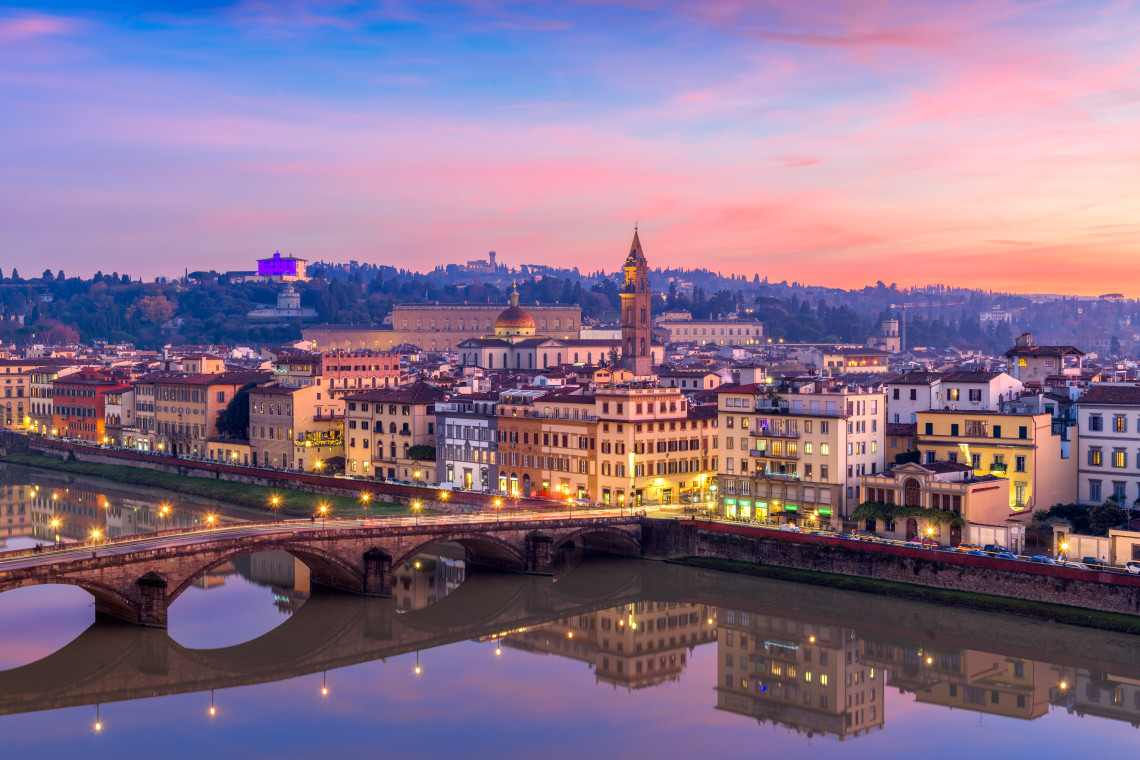
14 days is what we recommend for first time Italian trips when the traveler can take the time. You can cover the iconic three properly AND a significant regional deep dive.
Sample 14 day itinerary (most popular):
- Days 1 to 4: Rome (3 full days)
- Days 5 to 7: Florence (2 full days, with one Tuscan day trip)
- Days 8 to 11: Amalfi Coast (3 nights, Positano or Praiano as base)
- Days 12 to 14: Venice (2 full days, departure day 14)
Alternative 14 day itineraries:
- Foodie: Rome (3) + Bologna (3) + Tuscany (4) + Cinque Terre (3) + Milan (1)
- Adventure: Milan (1) + Dolomites (4) + Venice (3) + Florence (3) + Rome (3)
- Island lover: Rome (3) + Sicily (7) + Naples (3) + departure
- Honeymoon: Rome (3) + Tuscany agriturismo (4) + Amalfi Coast (5) + Florence (2)
Why 14 days works so well: the iconic three plus one region adds up to 4 bases. With a 3 night minimum per base, that is 12 nights. The remaining 2 nights become buffer for arrival jet lag or an extra night at the favorite region.
21 days in Italy: cross country
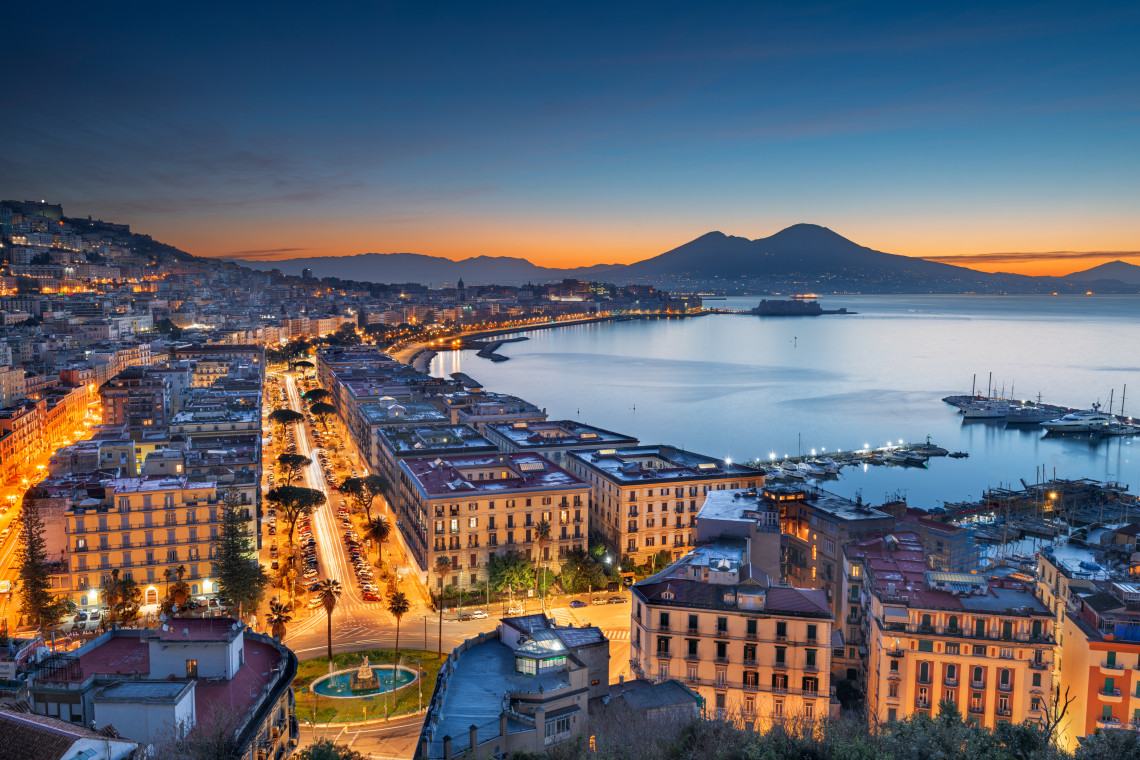
3 weeks is what you need for a true Italy trip that includes the south or Sicily without skimping on the north.
Sample 21 day itinerary:
- Days 1 to 4: Rome (4 nights, 3 full days)
- Days 5 to 7: Tuscany (3 nights at agriturismo)
- Days 8 to 9: Florence (2 nights, 1 full day)
- Days 10 to 11: Bologna (2 nights, with day trips to Modena or Parma)
- Days 12 to 13: Venice (2 nights)
- Days 14 to 16: Dolomites (3 nights, Bolzano or Val Gardena base)
- Days 17 to 20: Sicily (4 nights, fly to Catania, focus on Taormina and Etna)
- Day 21: Fly home from Catania
Alternative 21 day routes:
- North focus: Milan, Lake Como, Dolomites, Verona, Venice, Bologna, Florence
- South focus: Rome, Amalfi Coast, Capri, Naples, Matera, Puglia, Sicily
- Wine and food focus: Piedmont, Liguria, Emilia-Romagna, Tuscany, Rome
Mistake to avoid at 21 days: trying to include all 20 regions. Italy rewards depth over breadth even at three weeks.
How to allocate nights per city (the cheat sheet)
- Rome: minimum 3 nights, ideal 4. Anything less and you cut major ancient sites.
- Florence: minimum 2 nights, ideal 3. The third night unlocks Tuscan day trips.
- Venice: 2 nights is enough for most people. 3 nights only if you really love it or want to day trip to Burano or Murano.
- Naples: 2 nights, with Pompeii as a day trip. 3 nights if you also want Herculaneum and the Naples Archaeological Museum.
- Milan: 1 to 2 nights for most travelers. It is a working city more than a sightseeing one.
- Amalfi Coast: minimum 3 nights. 4 to 5 nights if you want to actually slow down.
- Tuscany (Val d'Orcia or Chianti): minimum 3 nights at an agriturismo.
- Dolomites: minimum 4 nights. Less and you cannot get into the high valleys properly.
- Sicily: minimum 5 nights. It is a country sized region.
- Puglia: minimum 4 nights.
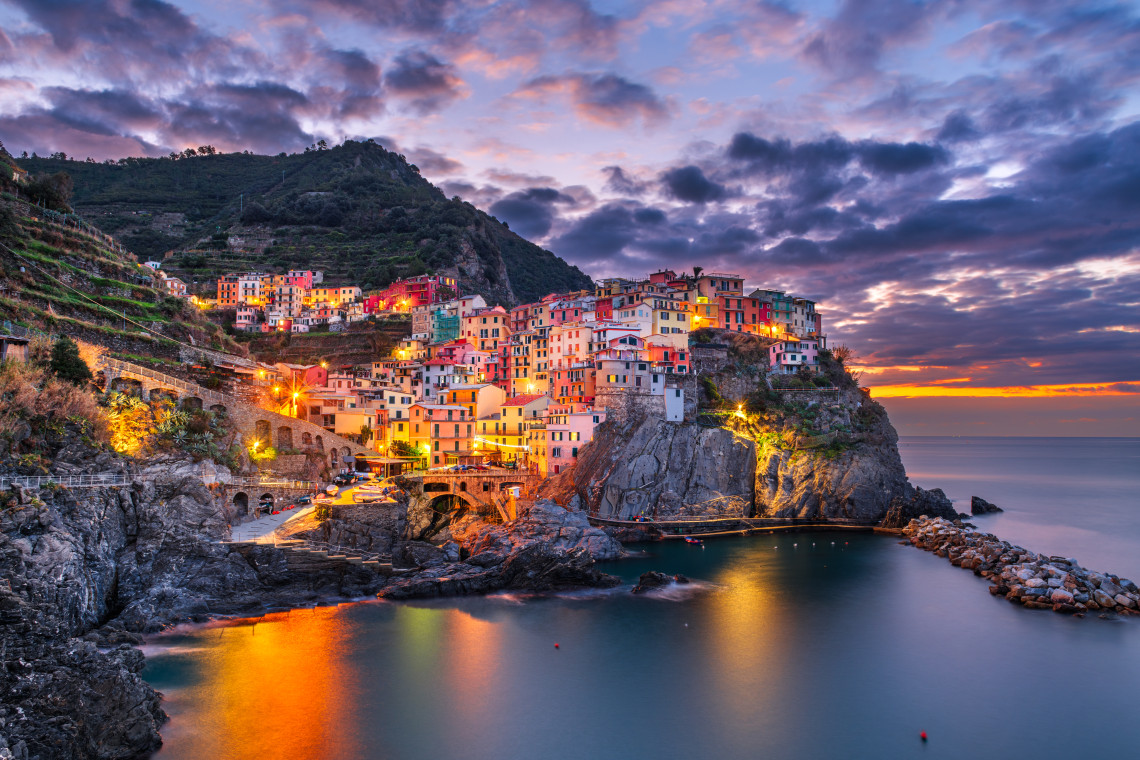
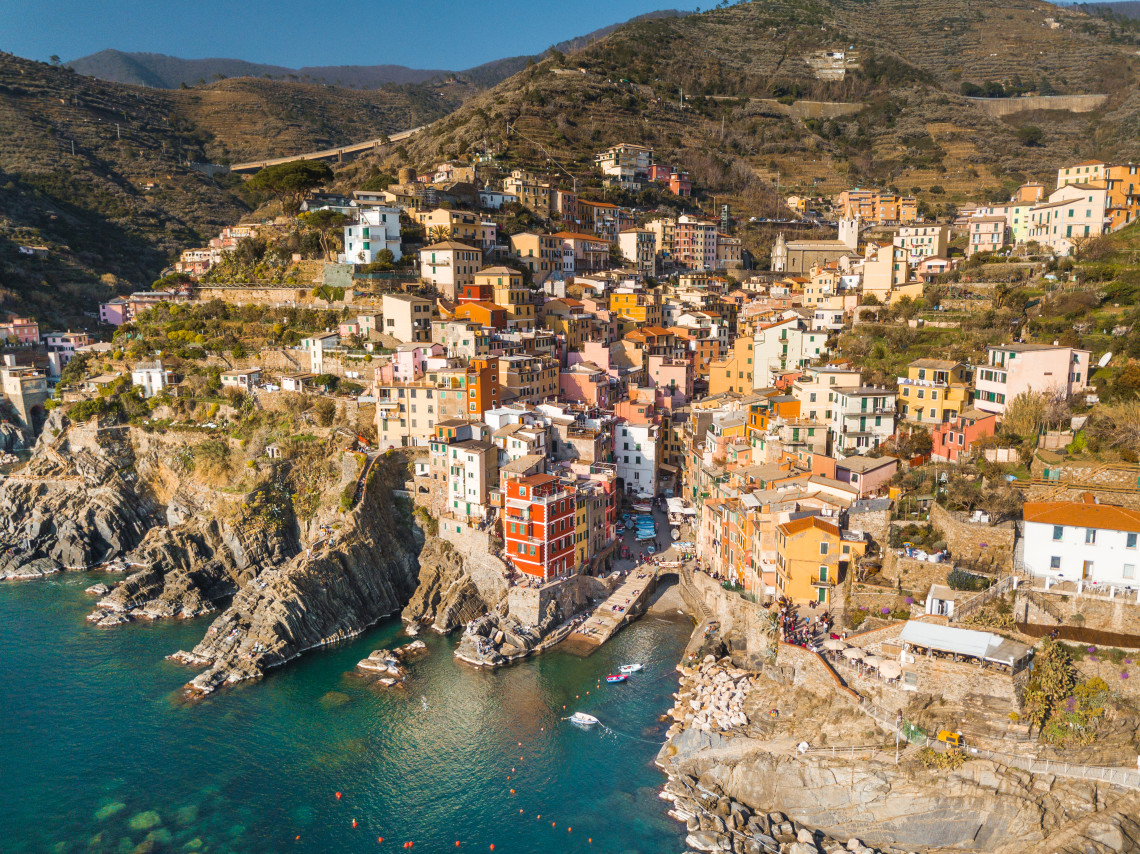
- Cinque Terre: 2 to 3 nights. After that you have done all five villages and the main trail.
Pace considerations that matter
Jet lag. Build it in. If you fly from the East Coast, your first day in Italy is half a day. Plan a slow start: a walk, a long lunch, an early dinner, bed by 9 PM local time.
Dinner time. Most Italians eat between 7:30 and 10 PM. Many restaurants do not open before 7 PM. If you are jet lagged or with young children, plan a longer afternoon break to push dinner later.
Sunday and Monday closures. Many museums close one day per week, usually Monday. Many smaller restaurants close Sunday evening and Monday. Plan your sightseeing day vs. travel day accordingly.
August. Many small family run businesses close for two to three weeks around Ferragosto (August 15). If you travel in August, check that your favorites are open.
Common mistakes by trip length
- Too many bases. The trip with 6 bases in 10 days is a transit trip, not a travel trip.
- No buffer day. If something goes wrong (flight delay, sick day, missed train), there is no recovery space. Add at least one buffer night per 7 days.
- Last city is the airport city. If you are flying out of Rome, end your trip in Rome. Train delays north to south can cost you a flight.
- Underestimating Rome. First time visitors regularly give Rome only 2 nights and regret it. Rome needs at least 3 nights, often 4.
The bottom line
14 days. 4 bases. 2 nights as buffer. The planning shape with the highest success rate for first time Italian trips.
If you have less, accept that you will see one slice of Italy and commit to it. If you have more, accept that even three weeks is not enough for all of Italy and plan a region or two for the next trip.
For more on shaping your trip, see our Which Italian Region to Visit First guide and Best Time to Visit Italy.
Frequently asked questions
Ready to Plan Your Italy Trip?
Yes Getaways specializes in tailor-made and package trips to Italy, built around what you actually want to do with local expertise that no algorithm can replicate.