










Best Time to Visit Malta: Weather by Month and Season
Best time to visit Malta: monthly temperatures and rain, sea temperatures and what spring, summer, autumn and winter offer.
November 24, 2026 • 3 min read
Best Time to Visit Malta: Weather by Month and Season
Malta weather by month
Averages for Luqa, 1991 to 2020, from Wikipedia's Climate of Malta page.
Spring: March to May
Highs rise from 17°C (63°F) in March to 24°C (75°F) in May, and rain drops to about 11 mm in May. The sea is still cool, at about 15°C to 16°C (59°F to 61°F) until April.
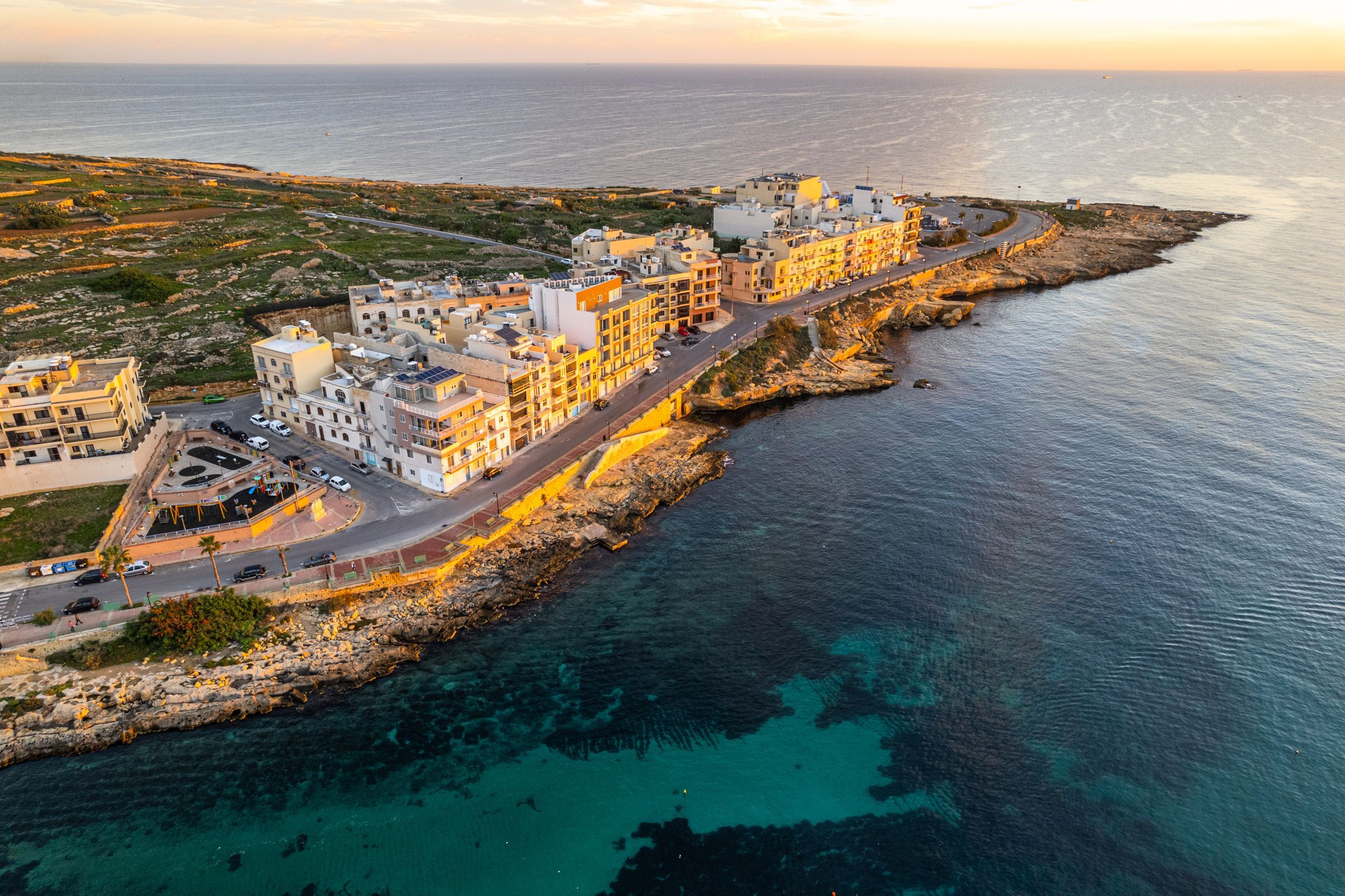
Best for: sightseeing, walking and temple visits.
Keep in mind: the sea is cold for swimming before late May.
Summer: June to August
June to August is hot and almost rainless, with average highs of 29°C to 32°C (84°F to 90°F). Luqa averages about 377 hours of sunshine in July, the sunniest month.

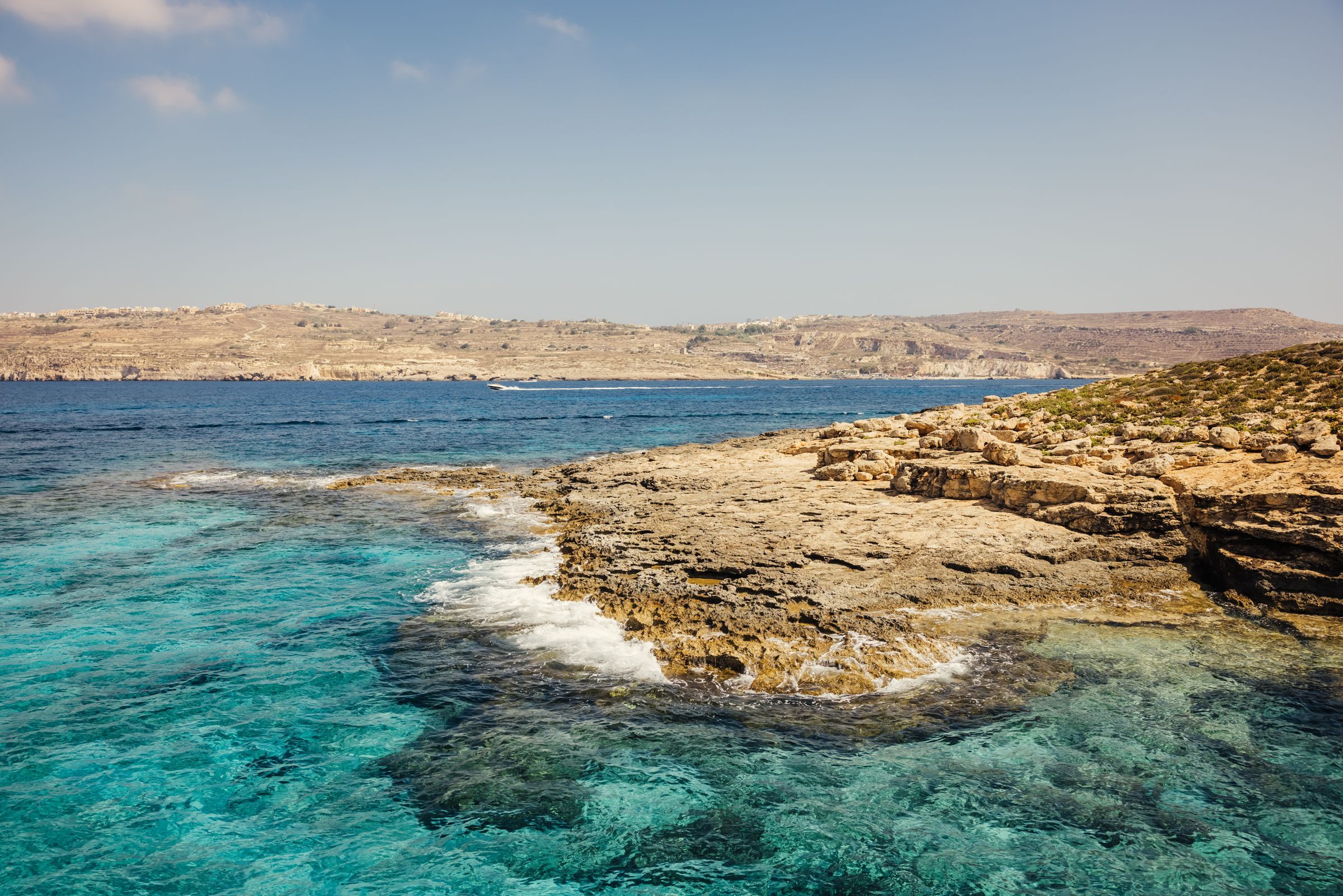
Best for: beaches, boat trips and the Blue Lagoon.
Keep in mind: the Blue Lagoon caps visitors at 4,000 at a time, so book your slot early.
Autumn: September to November
The sea stays warm into autumn, and highs are still about 29°C (84°F) in September and 25°C (77°F) in October. Rain picks up from September, with about 82 mm in October and 91 mm in November.

Best for: swimming without the peak summer heat.
Keep in mind: autumn storms bring heavier rain than spring.
Winter: December to February
Winter is mild, with highs of about 16°C to 17°C (60°F to 63°F), though December is the wettest month at about 94 mm. Visit Malta says Valletta holds Christmas events in the capital.
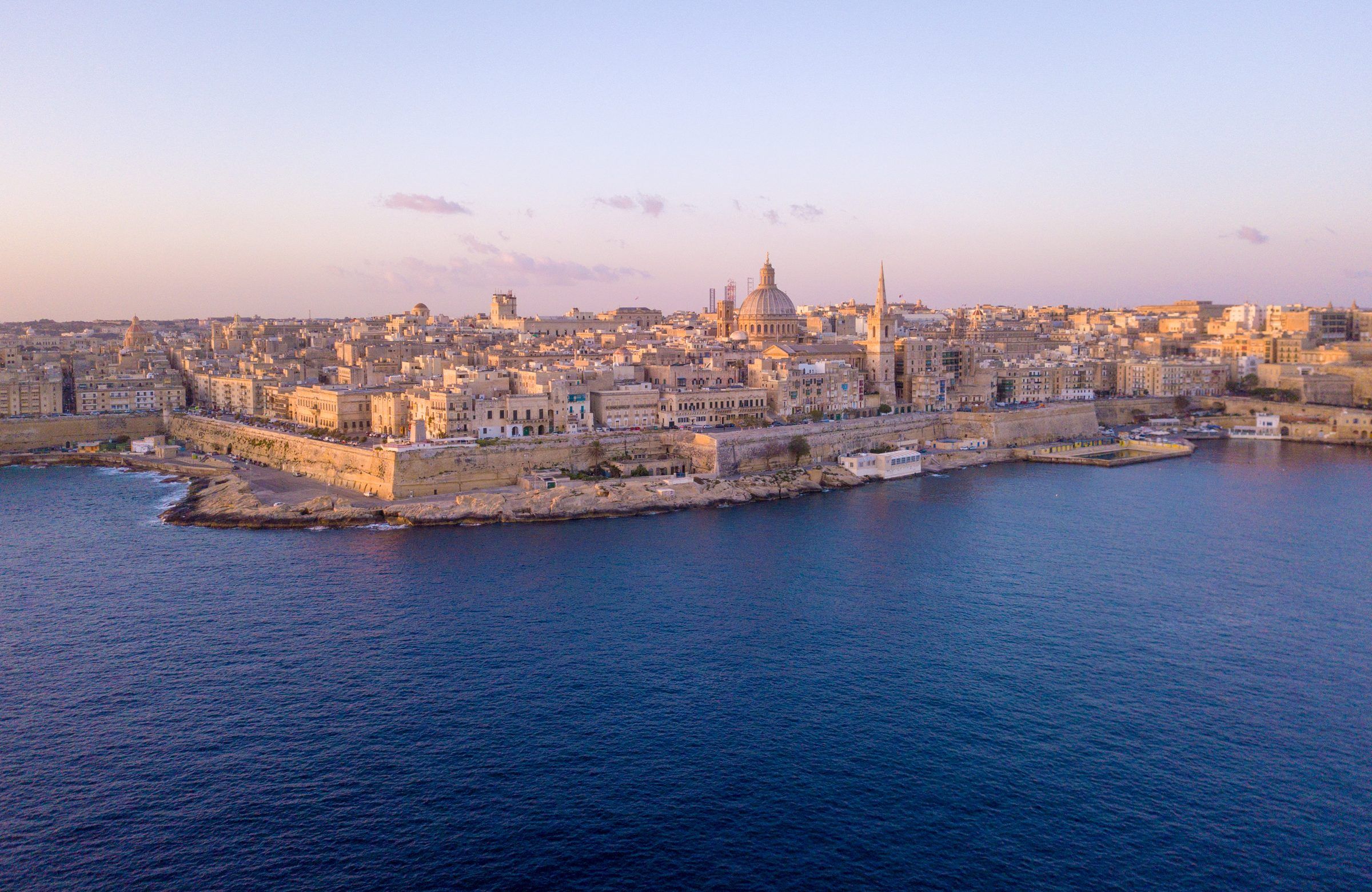
Best for: city breaks, museums and lower crowds.
Keep in mind: the sea is too cold for most swimmers.
Which month is best for you?
- Beaches and warm sea: June to September.
- Sightseeing in mild weather: April, May and October.
- City breaks and museums: November to March.
- Driest weather: June and July.
Who each season suits
Suits: summer suits beach lovers, and spring and autumn suit sightseers.
Less suited to: travelers who dislike heat should avoid July and August.



