Best Time to Visit Switzerland: Weather and Seasons
Best time to visit Switzerland: Zurich weather by month, summer hiking, winter skiing, shoulder seasons and hotel closures.
November 25, 2026 • 5 min read
Best Time to Visit Switzerland: Weather and Seasons
Switzerland by season
Temperatures from Wikipedia's 1991 to 2020 data for Zurich; season notes from Lonely Planet.
Weather month by month
Climate data for Zurich (Fluntern), 1991 to 2020, from Wikipedia. Mountain resorts are colder.
Summer: hiking, lakes and festivals
Lonely Planet calls July and August the time for hiking, with daytime highs around the mid-20s°C (mid-70s°F) and the Bernese Oberland, Graubünden and Alpes Vaudoises full of trails. It advises booking panoramic trains such as the Glacier Express, Bernina Express and GoldenPass in advance in the peak months.
Summer is also festival season, including the Montreux Jazz Festival and Zurich's Street Parade, and Lonely Planet suggests joining Swiss National Day on August 1 with a farm brunch or fireworks. From June to September, locals swim in the Aare in Bern, the Rhine in Basel and Zurich's lakeside baths.
Spring and September: shoulder-season value
In May, expect highs around 17 to 18°C (63 to 64°F), according to Lonely Planet, which notes that shoulder seasons bring deals on flights and hotels. Many outdoor pools open in mid-May, and wine regions host open-cellar weekends.
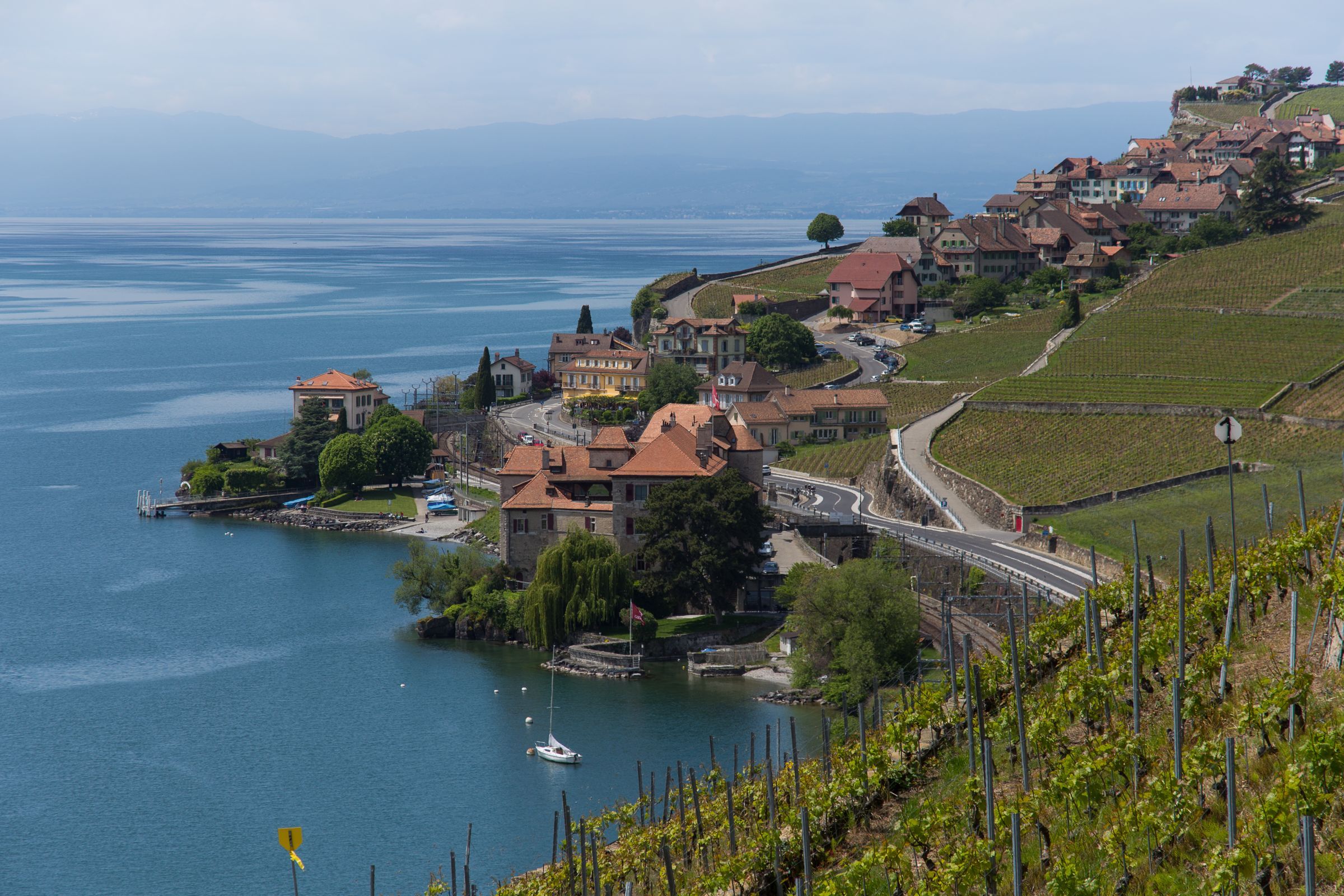
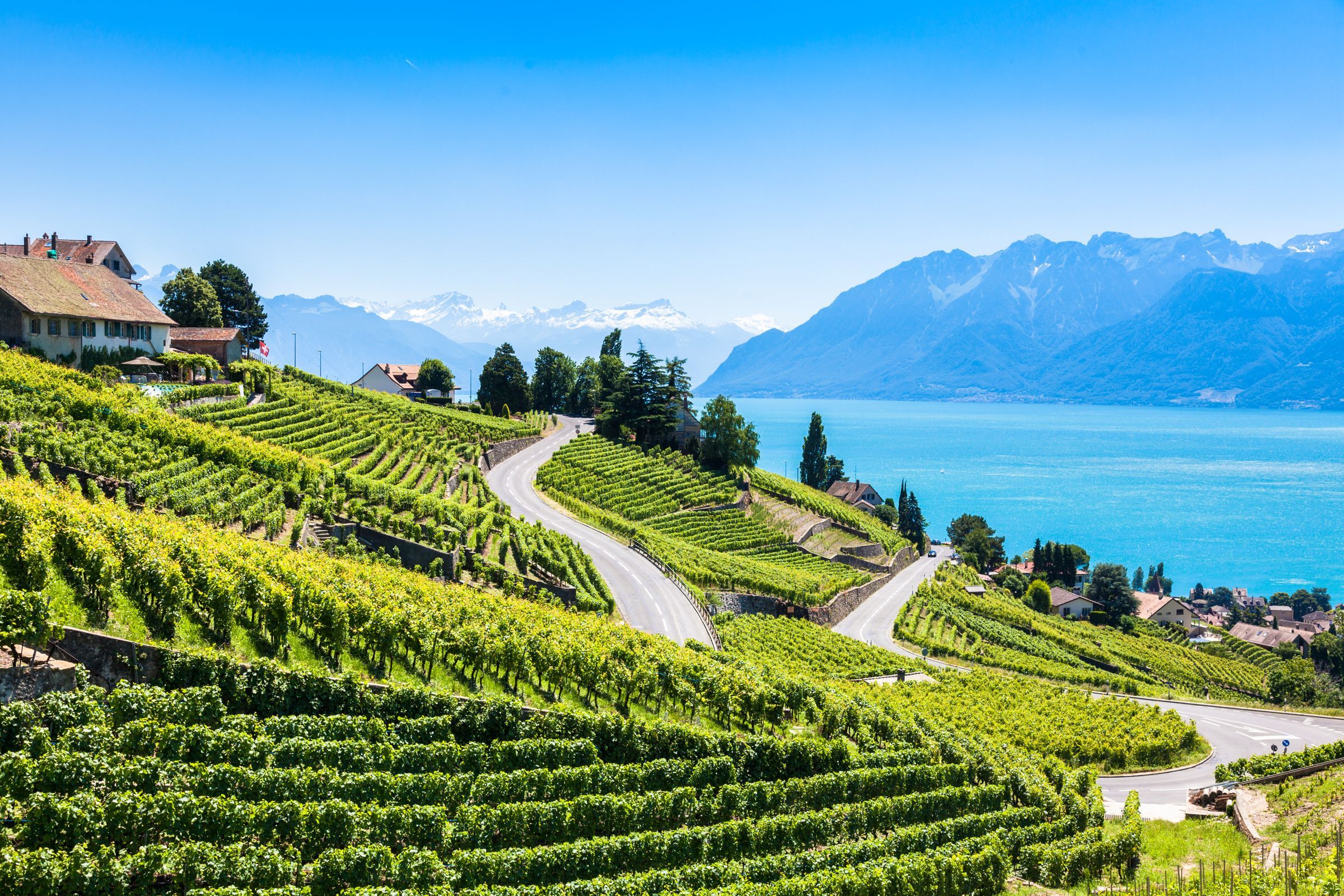
September keeps many mountain lifts open, Lonely Planet says, and brings the désalpe, when cows parade down from the Alpine pastures. The best known is held in Charmey, near Gruyères, and the Lutry grape harvest festival celebrates the end of the season in the Lavaux vineyards.
October and November: color and quiet
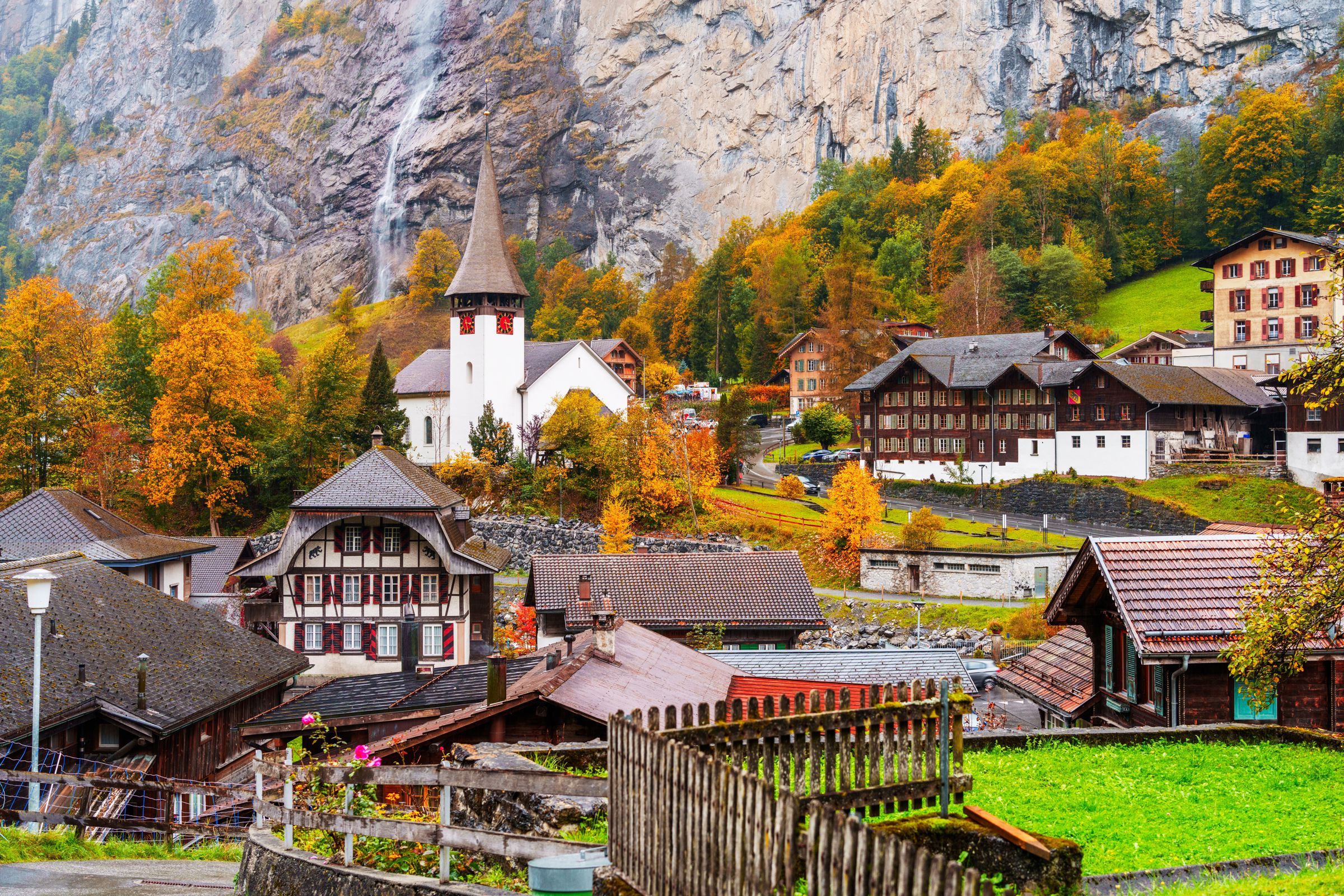
Lonely Planet says autumn is the season locals quietly rate as the best, when grapes are harvested and larch trees turn gold. October is still mild, but by November highs of 8 or 9°C (46 to 48°F) are normal.
This is the cheapest time to visit, but many mountain lifts and hotels close, so villages can feel sleepy. Restaurants serve game dishes in autumn, Lonely Planet notes.
Winter: snow and carnival
Daytime highs average around 4°C (39°F) in winter, according to Lonely Planet, which says resorts with slopes above 2,000m are snow-sure from December to April, while lower slopes are less reliable as the climate changes. Zermatt, Verbier and Laax are among the big names.
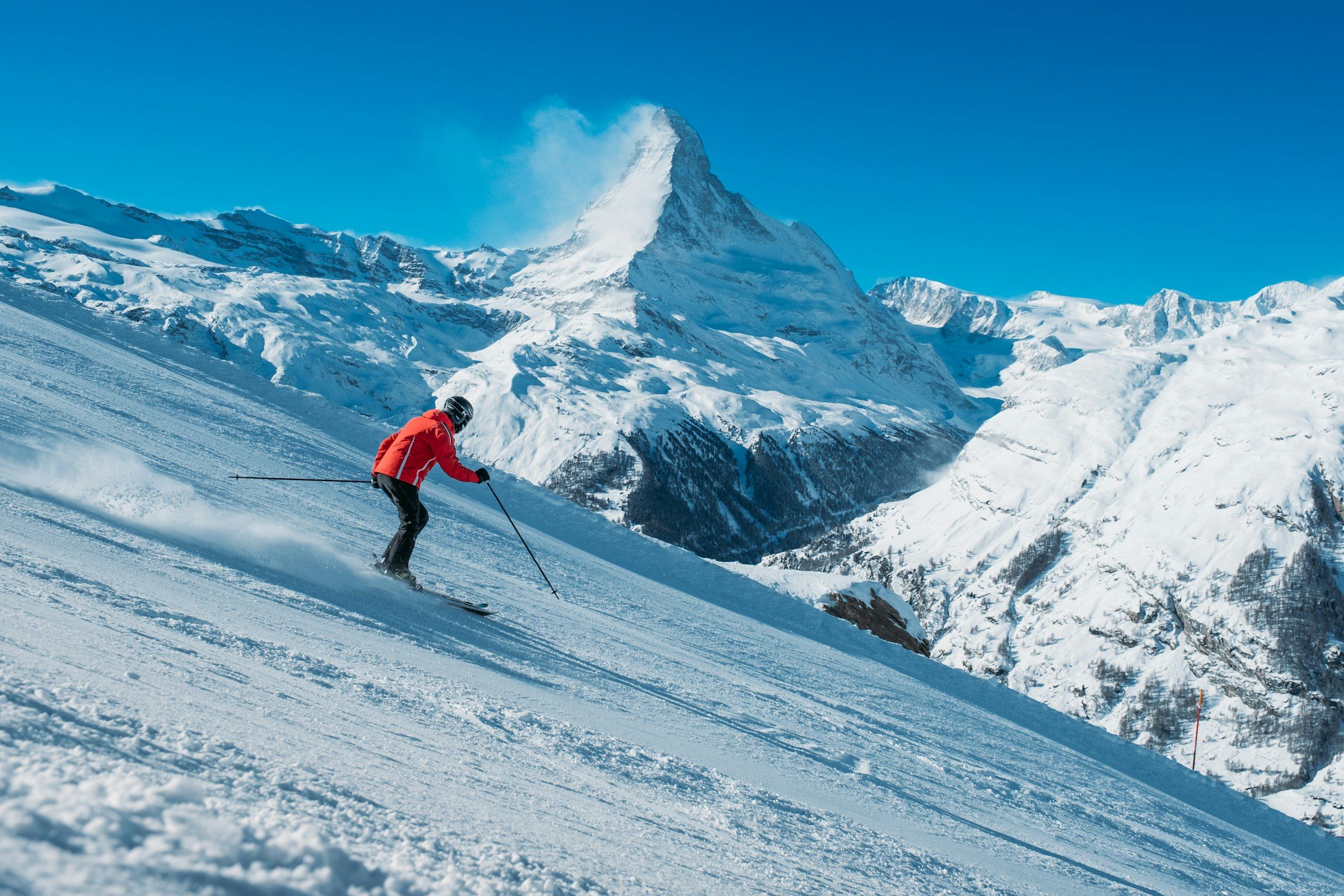
In February and March, carnival season brings brass bands to many towns. The best known is Basel's three-day Fasnacht, Lonely Planet says. December adds Christmas markets in cities such as Basel and Lucerne.
Hotel prices through the year
Lonely Planet says city hotels in Zurich and Geneva rarely offer seasonal discounts and are pricier from Monday to Thursday, when business travelers fill them. Mountain resort hotels are cheapest in summer, and many close from mid-October to mid-December.
Who each season suits, and who it doesn't
Summer suits: hikers, swimmers and festival fans. Less suited to: travelers who dislike crowds or need the lowest prices.
Winter suits: skiers and Christmas market lovers. Less suited to: hikers, since many high trails are under snow.
Spring and autumn suit: travelers who want lower prices and quieter towns. Less suited to: anyone set on high-mountain excursions in late autumn, when Lonely Planet says many lifts and resort hotels close.



